Learn more about Against the Grain: The Farm Aid Podcast
 Against the Grain brings the magic of Farm Aid’s annual festival to listeners year-round. Hear from farmers and artists, advocates and food experts, activists and policymakers – all of whom are working towards building a more just and equitable farm and food system.
Click here to listen!
Against the Grain brings the magic of Farm Aid’s annual festival to listeners year-round. Hear from farmers and artists, advocates and food experts, activists and policymakers – all of whom are working towards building a more just and equitable farm and food system.
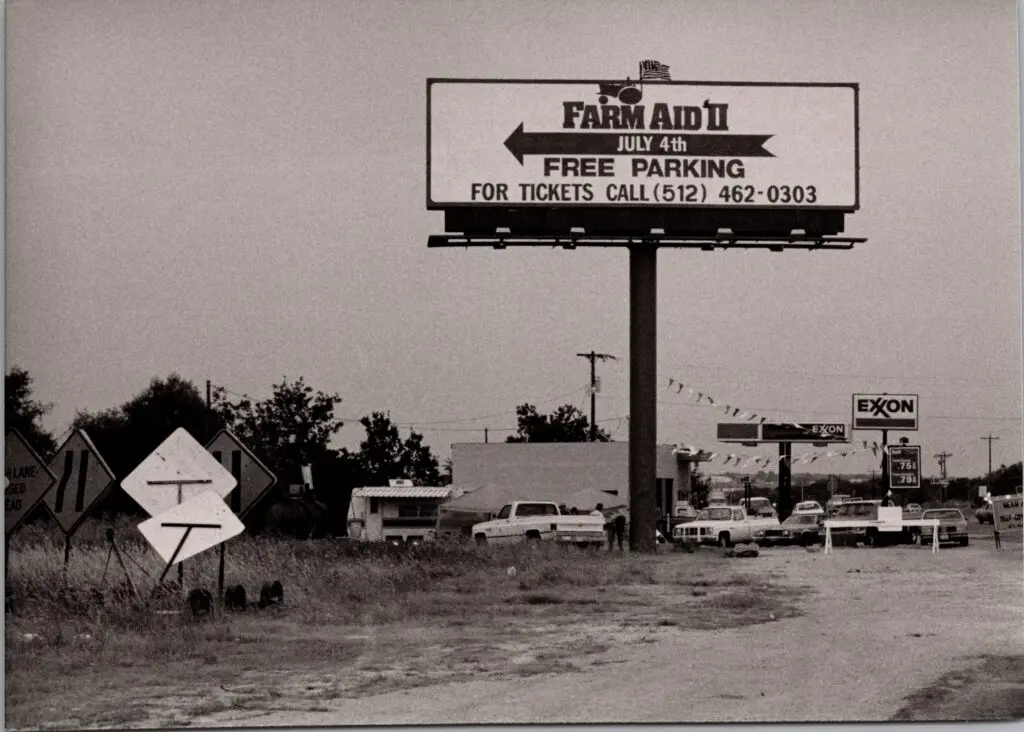
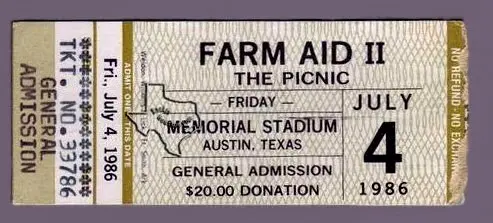
Click here to listen! Over the weekend, Farm Aid president Willie Nelson headlined his annual Fourth of July Picnic in Austin, Texas. This well-known, nearly annual tradition has taken place mostly in Willie’s home state, but less well-known is that forty years ago, he turned his Independence Day picnic into the second Farm Aid concert. It took place about twenty miles away from this year’s Picnic, at the Manor Downs horse track outside of Austin on July 4th, 1986.
For a little context, it’s worth remembering that when Willie recruited John Mellencamp and Neil Young to organize the first Farm Aid concert in Champaign, Illinois, in September 1985, they were not thinking at all about turning Farm Aid into an annual event. The original plan for a Farm Aid concert followed the Live Aid model, with the expectation that one big show in Illinois, broadcast on national television, would raise enough money and enough awareness to prompt Congress to solve the 1980s farm crisis.
As we have recently chronicled on Against the Grain: The Farm Aid Podcast, massive protests like the 145-day blockade of a Farmers Home Administration office in Chillicothe, Missouri reflected the reality that farmers were still in crisis in 1986. Consequently, when Farm Aid decided that another benefit concert would be necessary, Willie merged it with his plans for the 4th of July Picnic.
At first, Texas Secretary of Agriculture Jim Hightower helped secure Memorial Stadium at the University of Texas for the show, but concerns about insurance prompted a plan b move to Southpark Meadows – the location of the two previous 4th of July Picnics. But insurance issues quickly arose again and prompted a very last minute move – a Plan C, 48 hours before showtime – to Manor Downs.
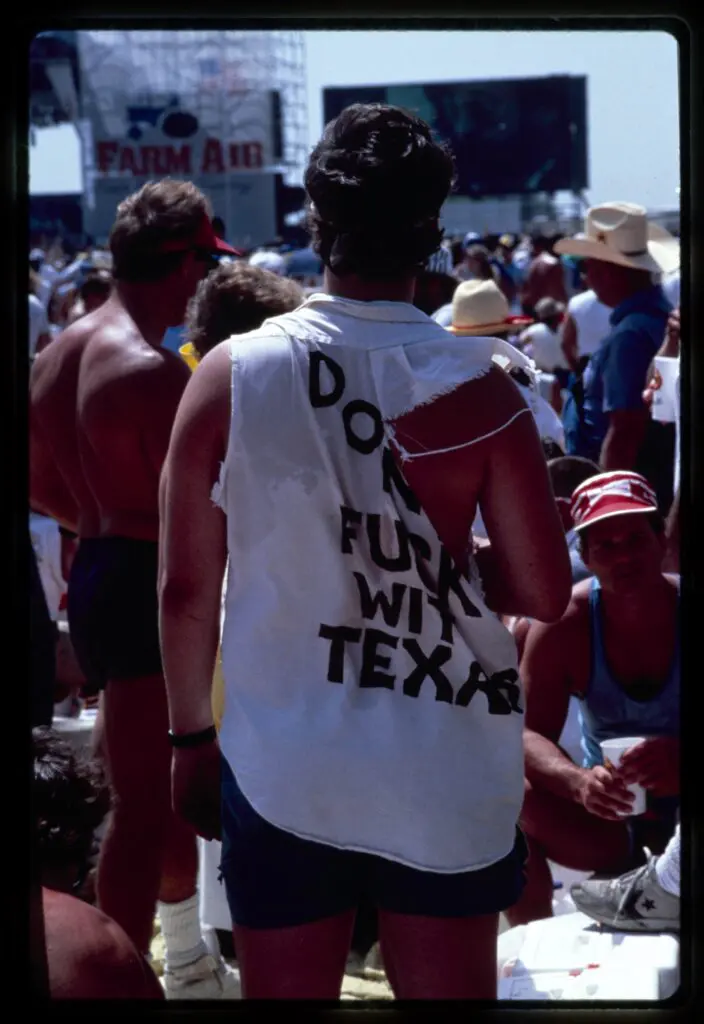
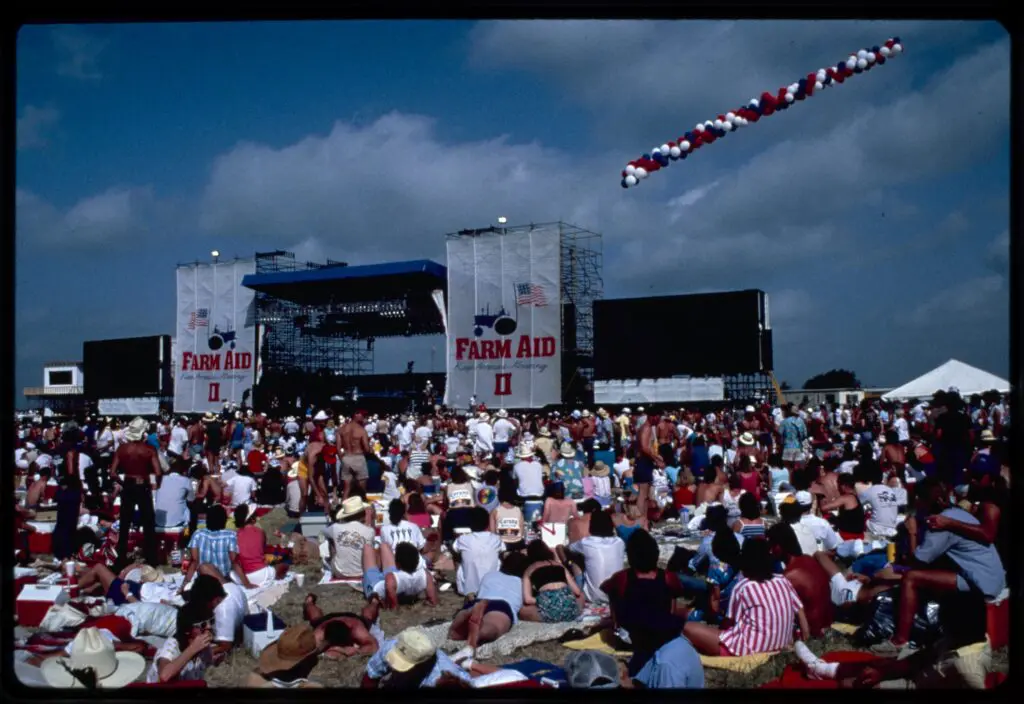
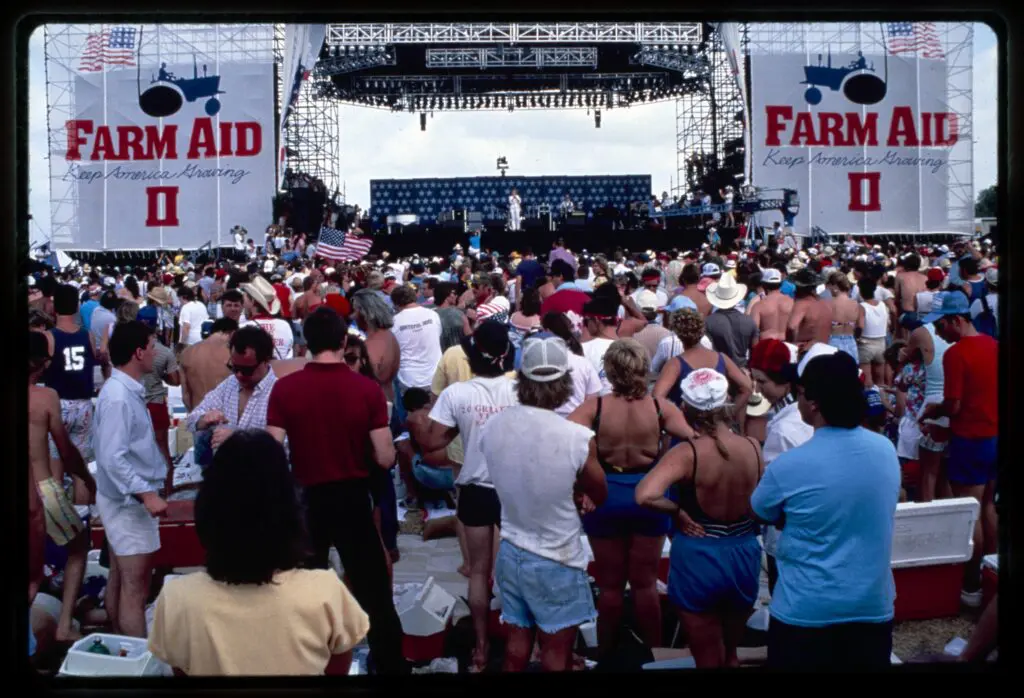
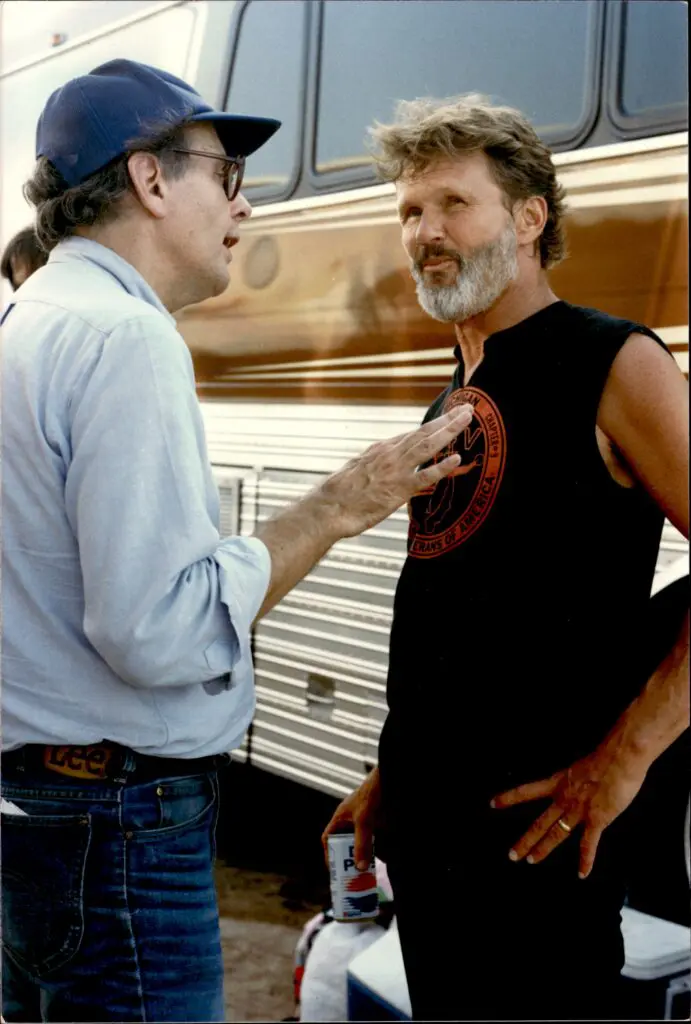
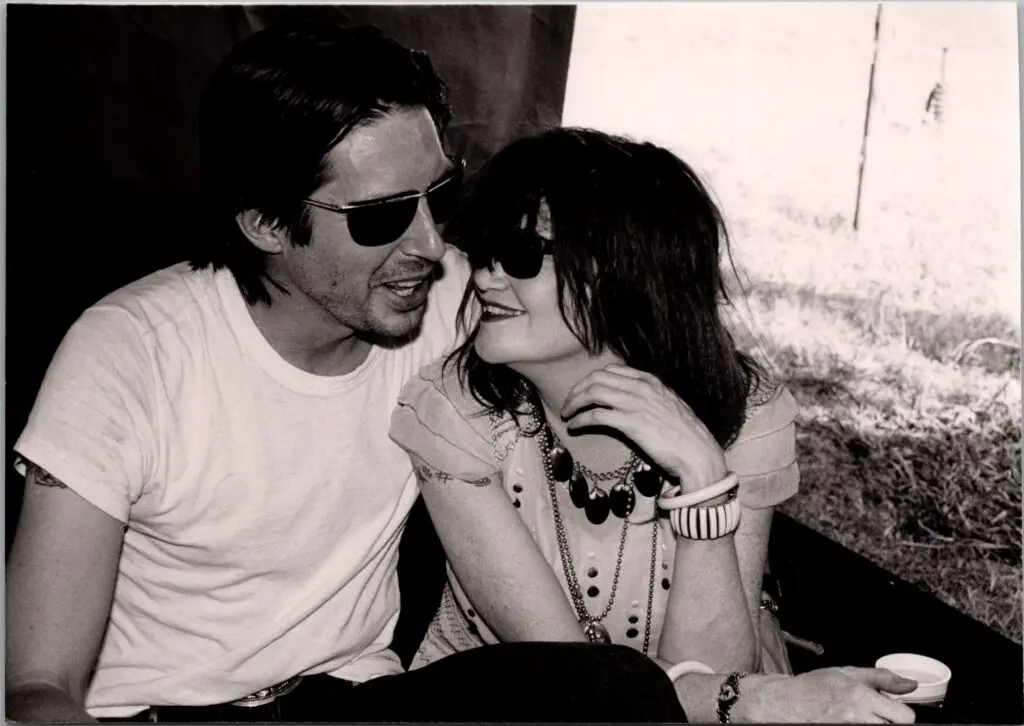
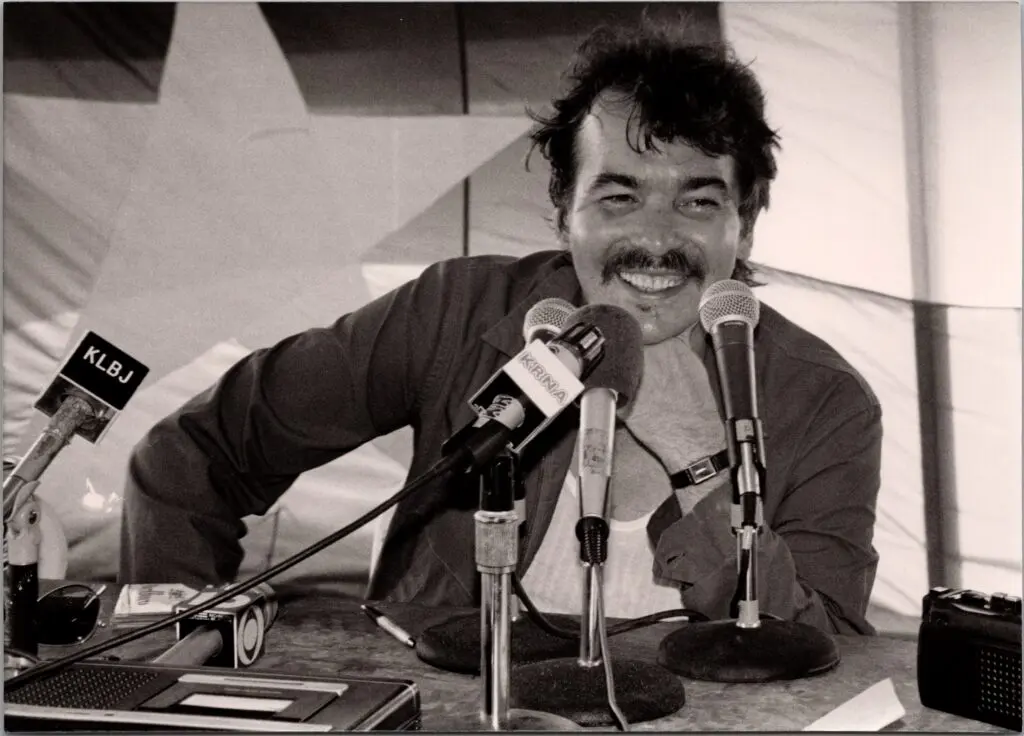
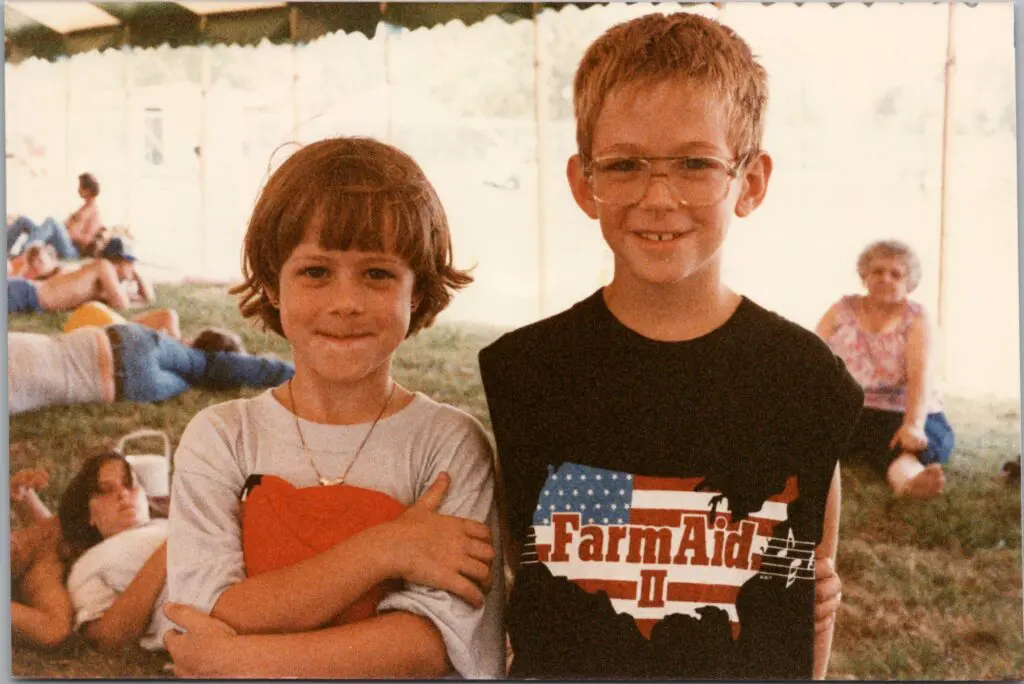
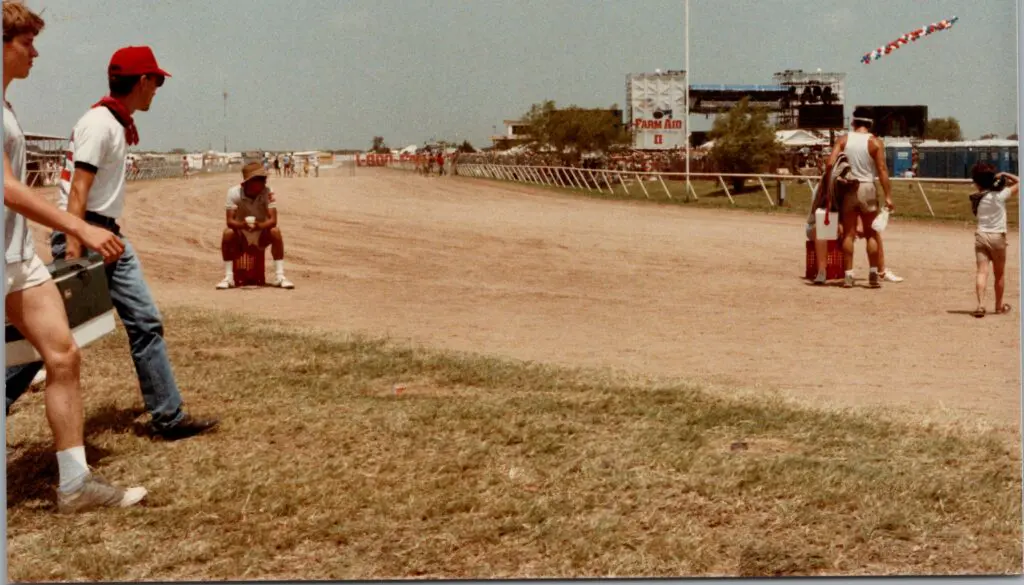
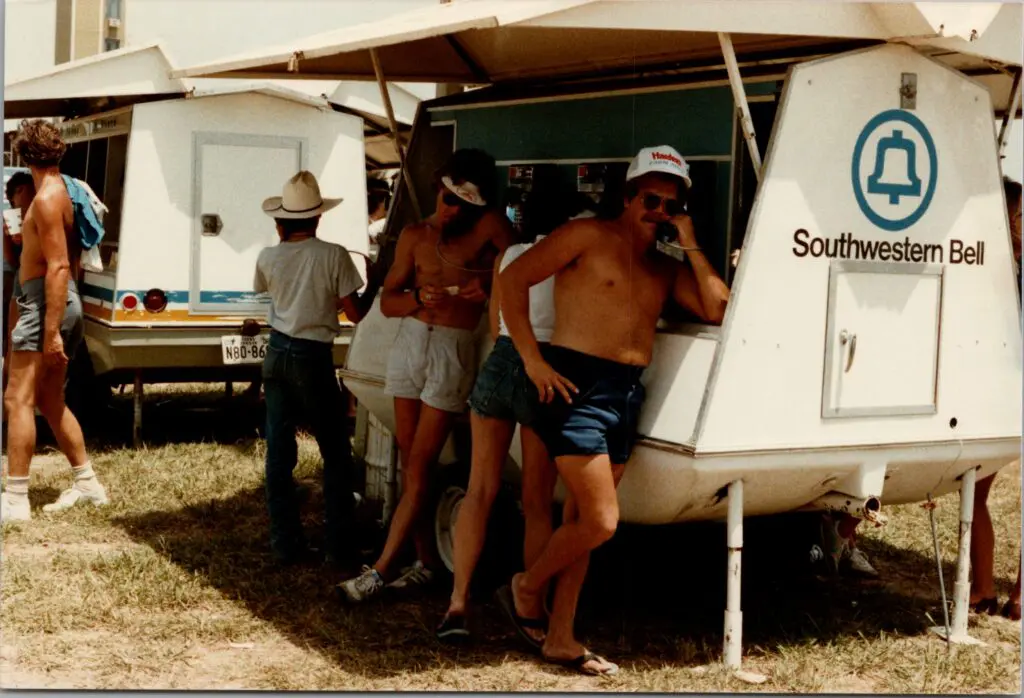
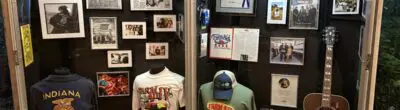
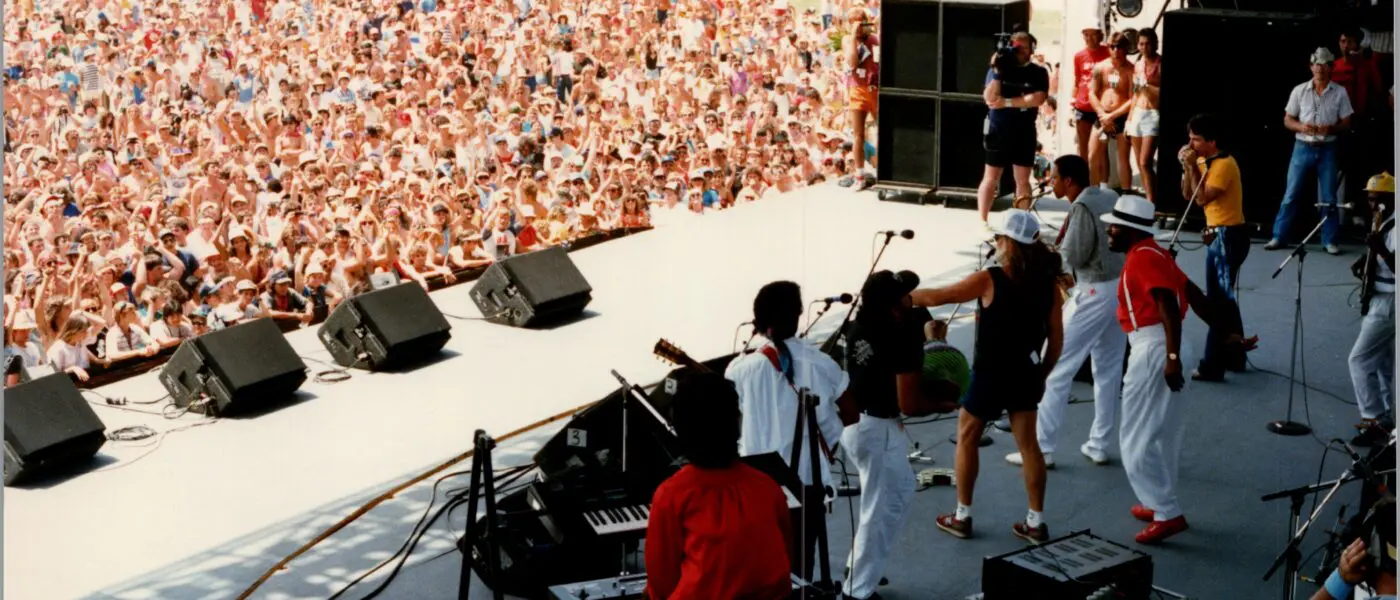
Earlier this year, when Farm Aid staff made an annual pilgrimage to Luck Reunion, we put together an outdoor exhibit marking the upcoming 40th anniversary of this legendary Farm Aid II show. To comb through the photos now is a trip. Approximately 50,000 people showed up, half of whom seemed to be crowded into the infield track, while the other half took shelter from the blazing summer sun in the grandstands.
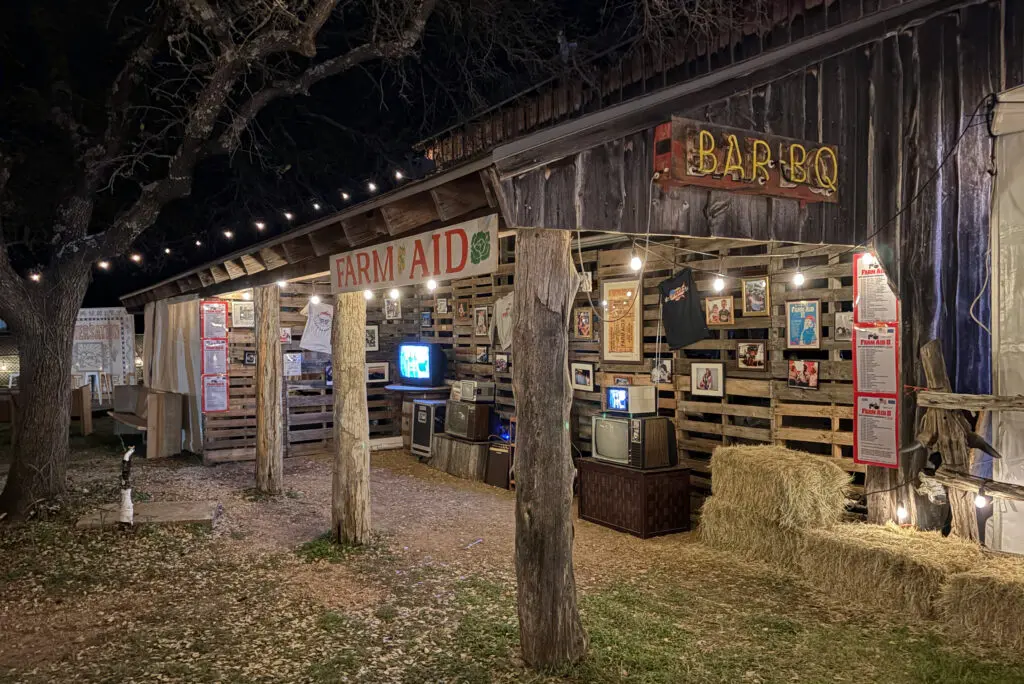
Exhibit marking Farm Aid II at Luck Reuinion. Photo: Michael Stewart Foley
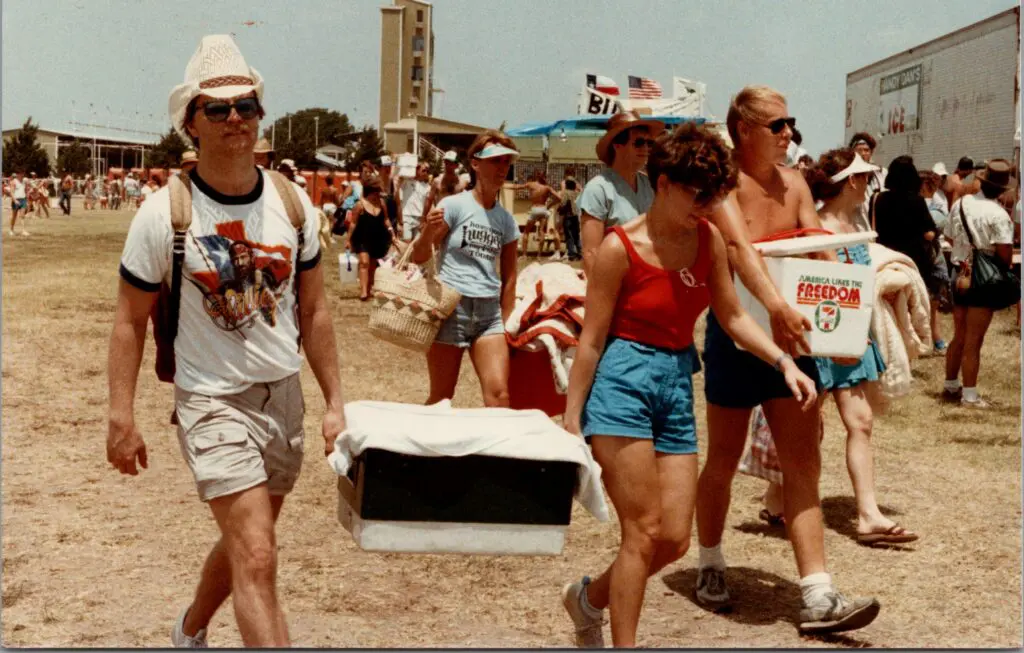
As attendees arrived, many dropped canned goods, peanut butter and packaged rice and beans at trucks stationed at the entrances – all food destined for the Capital Area Food Bank. Archival photos show concert-goers carrying huge coolers, blankets and cushions, as if it was any other 4th of July picnic.
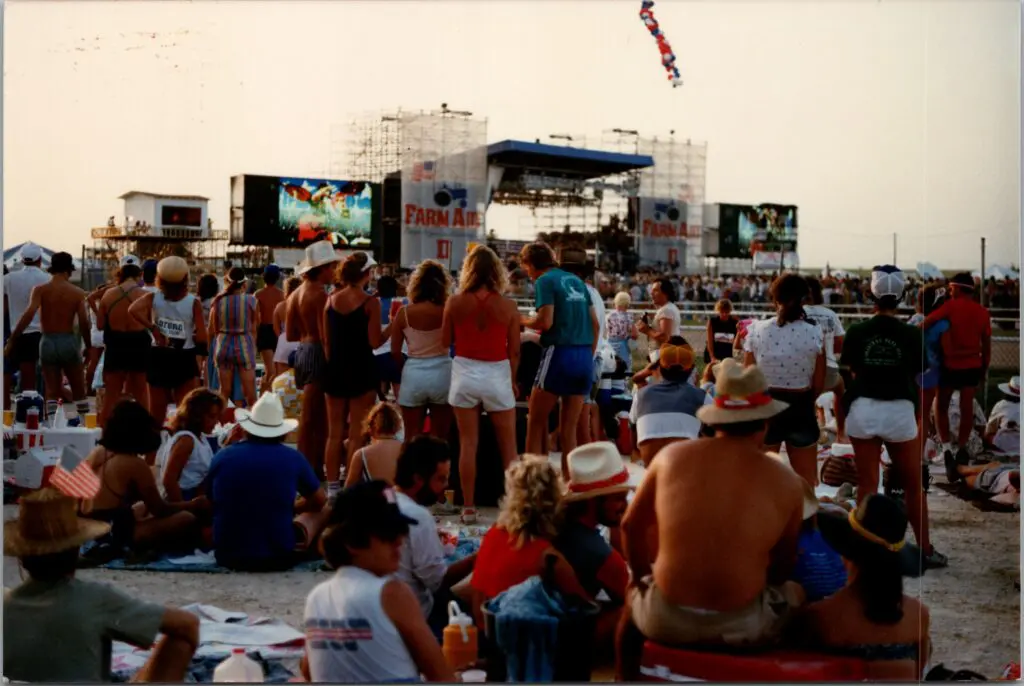
Photo: Kennedy Wheatley
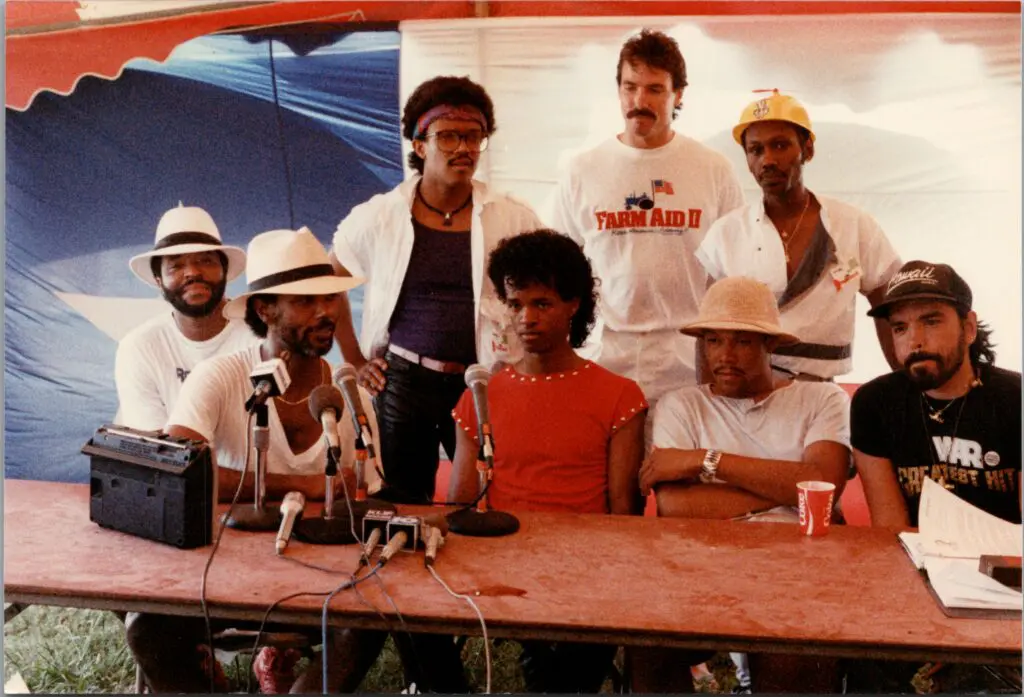
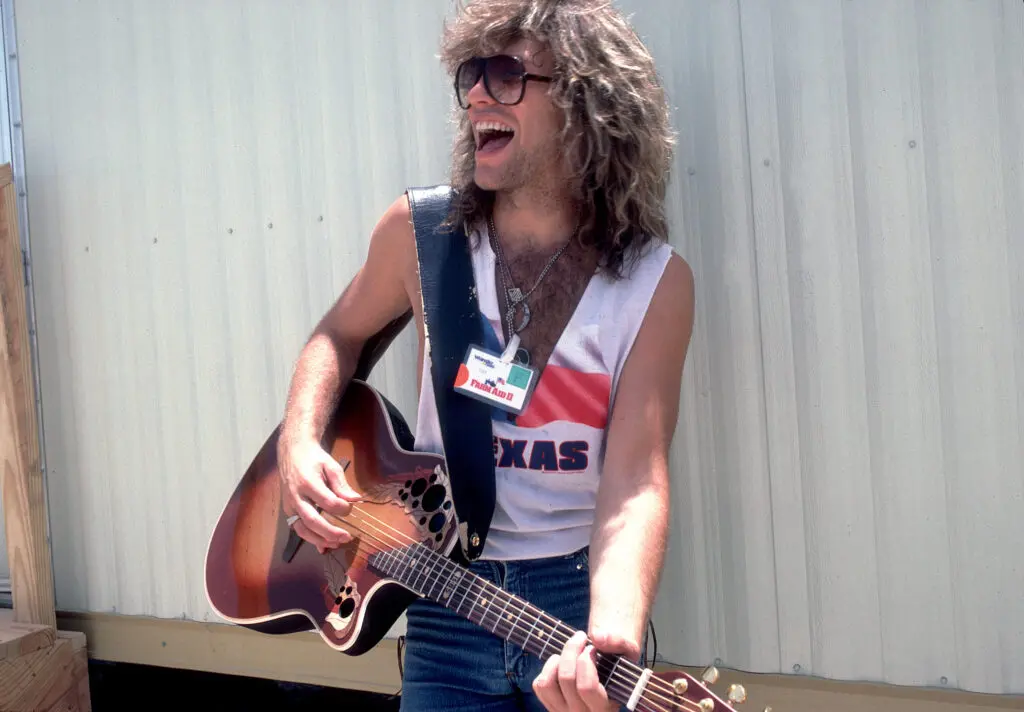
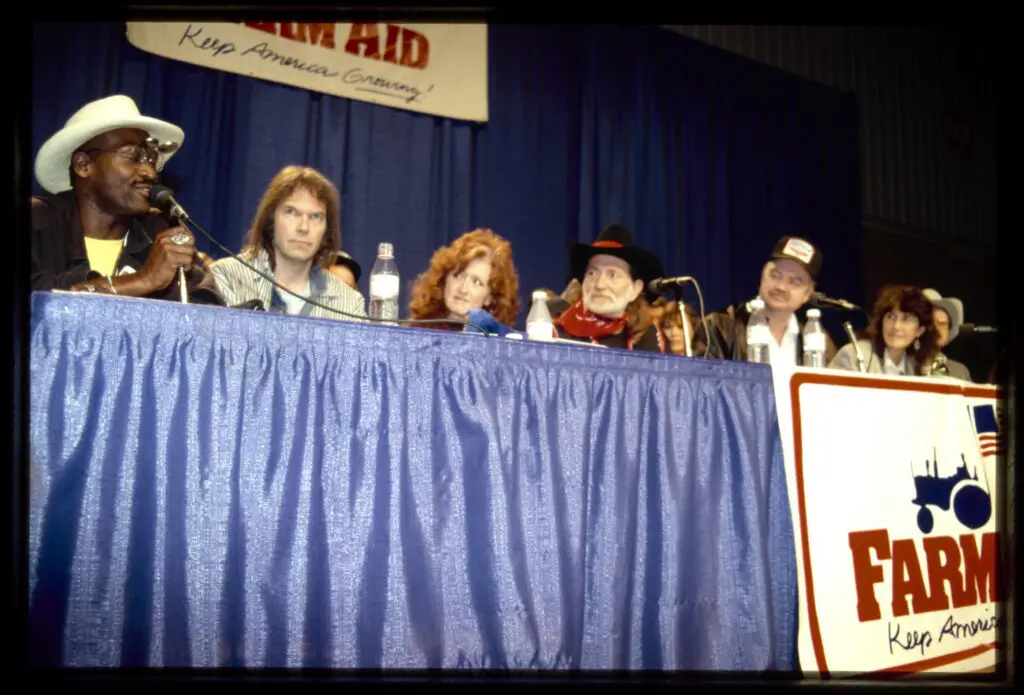
But it wasn’t any other picnic. Farm Aid II brought together more than 80 artists, who played from 7:00 AM until 1:30 AM the next day – an 18 hour show in total! The range of artists was astonishing: Country and folk stars like George Jones, Waylon Jennings, Judy Collins and John Prine played, and so did blues greats like Taj Mahal, Bonnie Raitt and Stevie Ray Vaughan. Punk rockers X and punk/rockabilly band The Blasters played, while Texas favorites like Joe Ely, the Fabulous Thunderbirds, Asleep at the Wheel and Ray Wylie Hubbard performed too. The Grateful Dead, Bob Dylan and Tom Petty and the Heartbreakers all joined via satellite (which was a pretty new technological advance at the time), while a huge list of other bonafide rock stars performed onsite, from Bon Jovi, Vince Neil of Mötley Crüe, War, Steppenwolf, Jason and the Scorchers, to Los Lobos, Joe Walsh and Rick “Superfreak” James. And, of course, Farm Aid founders John Mellencamp, Neil Young and Willie were there, too.

Jon Bon Jovi and Vince Neil of Mötley Crüe. Photo: Paul Natkin/WireImage
Willie, in particular, appeared on stage many times throughout the day, maybe most famously performing with Julio Iglesias during an early set because Iglesias – who had recorded the duet of “To All the Girls I Loved Before” with Willie – had to be able to get back to perform during his Las Vegas residency at Harrah’s Casino that evening.
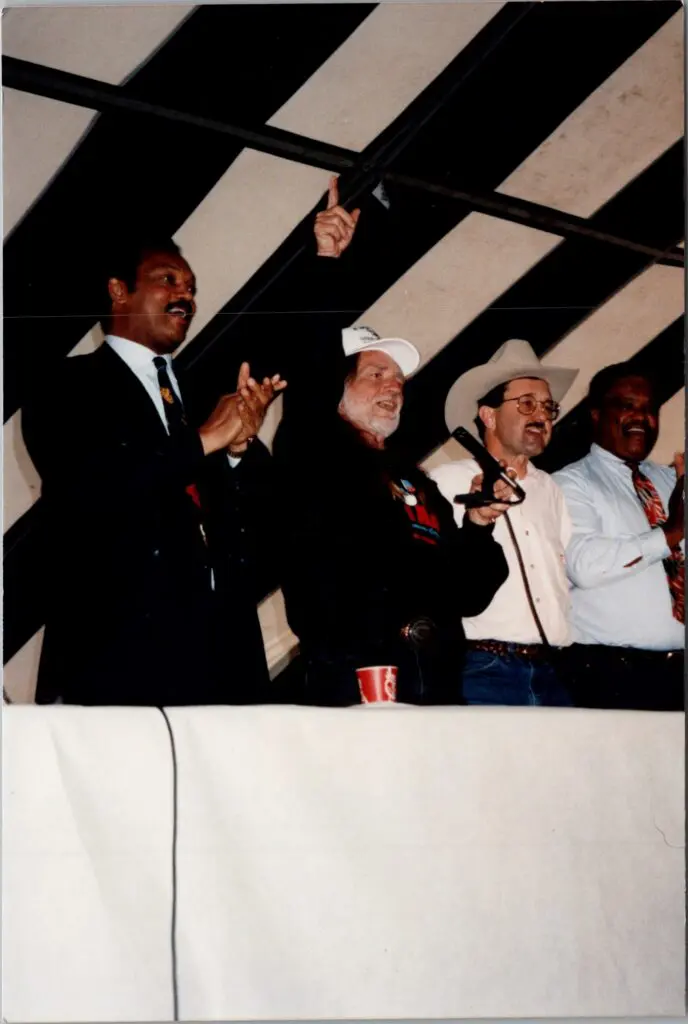
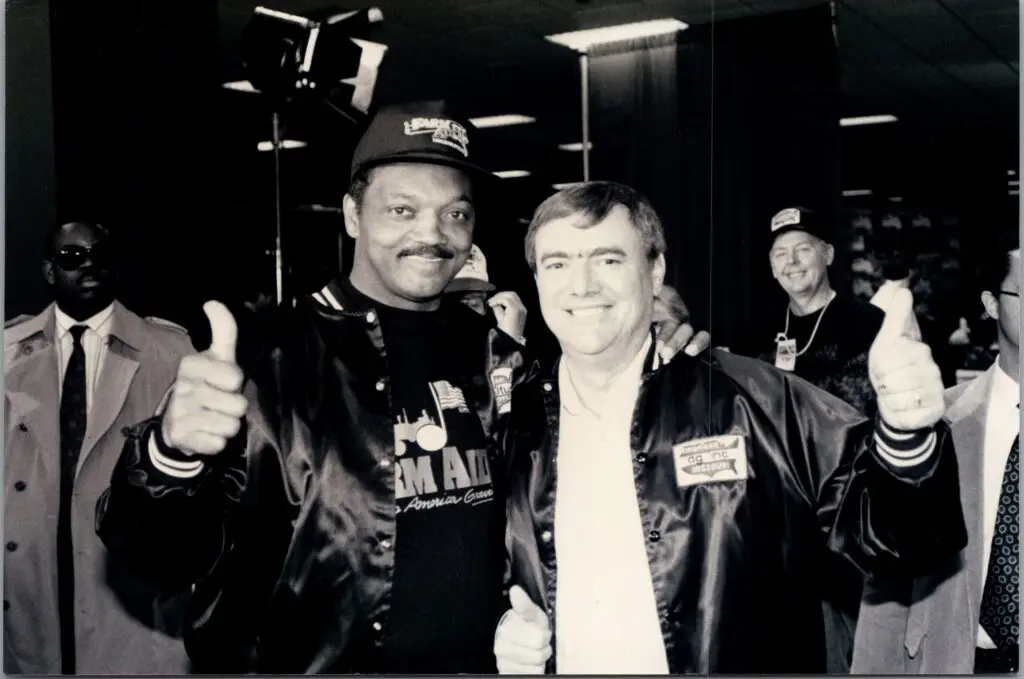
Just as important as the rock stars on stage, however, were the farmers, organizers, labor leaders and others who turned out to support the cause. Jim Hightower put what one reporter called his “industrial-strength charisma” into framing Farm Aid II as means to “building an alliance of labor with farmers.” The Rev. Jesse Jackson who, like John Mellencamp, had joined the Chillicothe protesters earlier that spring, amplified that message in his own inimitable style. Jackson described the second Farm Aid as “the heart and soul of this Independence Day,” and pledged that his national Rainbow Coalition – the progressive, multi-racial working-class movement – would stand with farmers through thick and thin, working to bridge the rural-urban divide. “We are forming a coalition, and it will take non-farmers – our urban eaters – to save the farmers – our rural feeders.”
As he got warmed up, Jackson delivered the same message he had delivered in Chillicothe, but this time to a much bigger press pool: “Farmers want a bailout, not a handout; parity, not charity; their share, not welfare; it’s important that our leaders and feeders come together!”
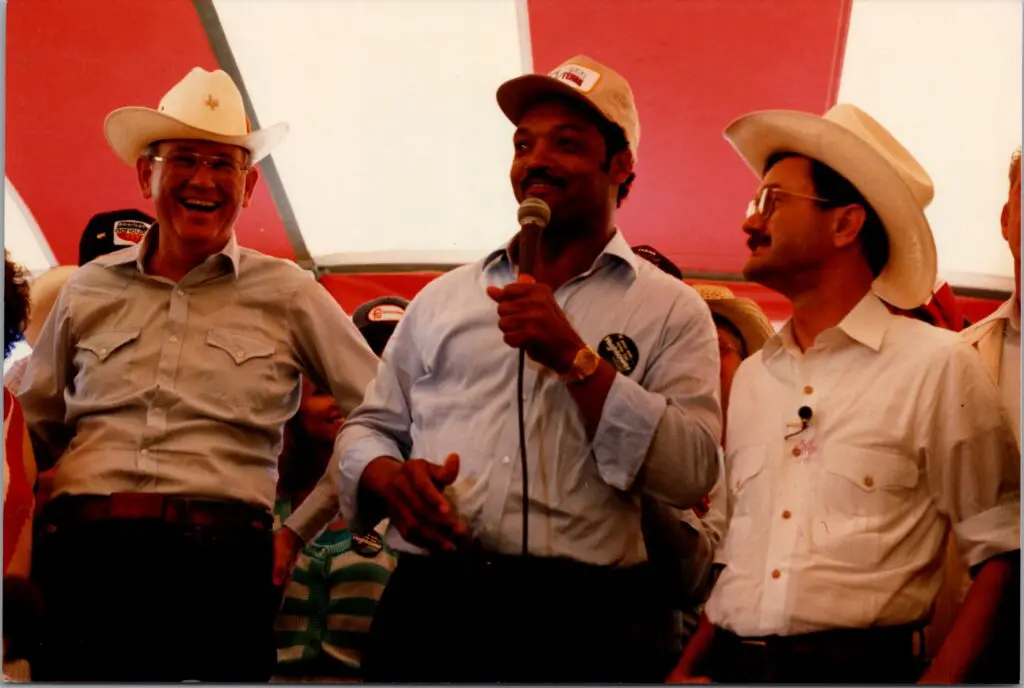
Photo: Kennedy Wheatley
Despite the galvanizing call from the likes of the Rev. Jackson, and in spite of the epic 18-hour show, some skeptics in the press declared Farm Aid II a failure, at least compared to the first Farm Aid. It did not raise anywhere near the same amount of money as the first Farm Aid, they said, and by being broadcast on VH-1, the fledgling music channel, it had been pushed to the margins of cable television where it reached far fewer viewers than Farm Aid I had on the well-established TNN. Part of the challenge was the timing because, as many reports noted, the 4th of July network television broadcasts attracted the nation’s attention to the centennial celebration of the newly refurbished Statue of Liberty.
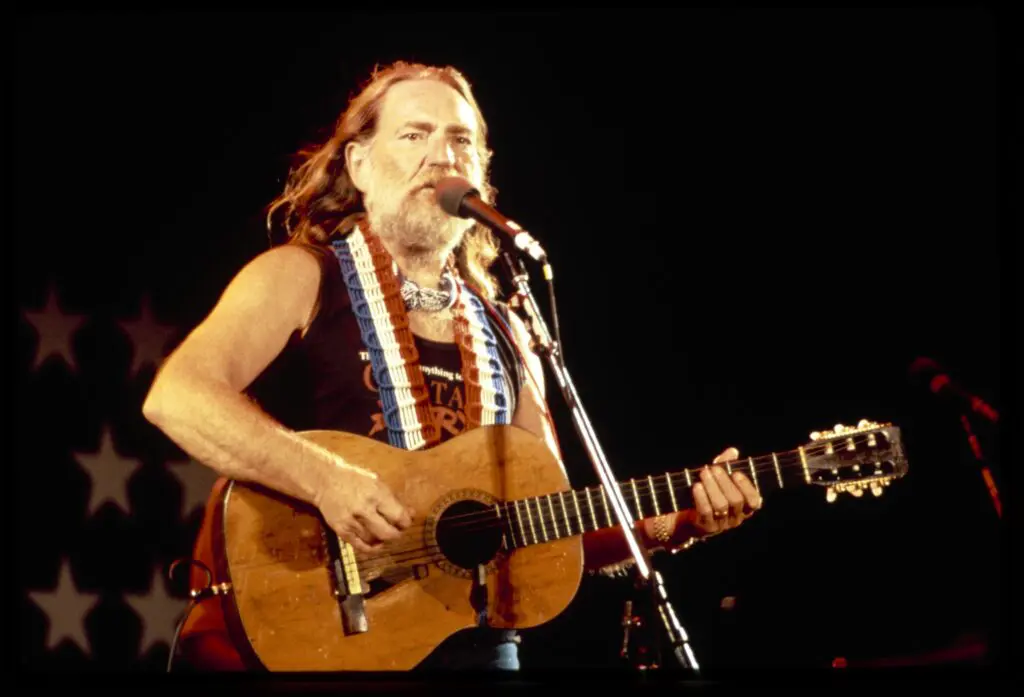
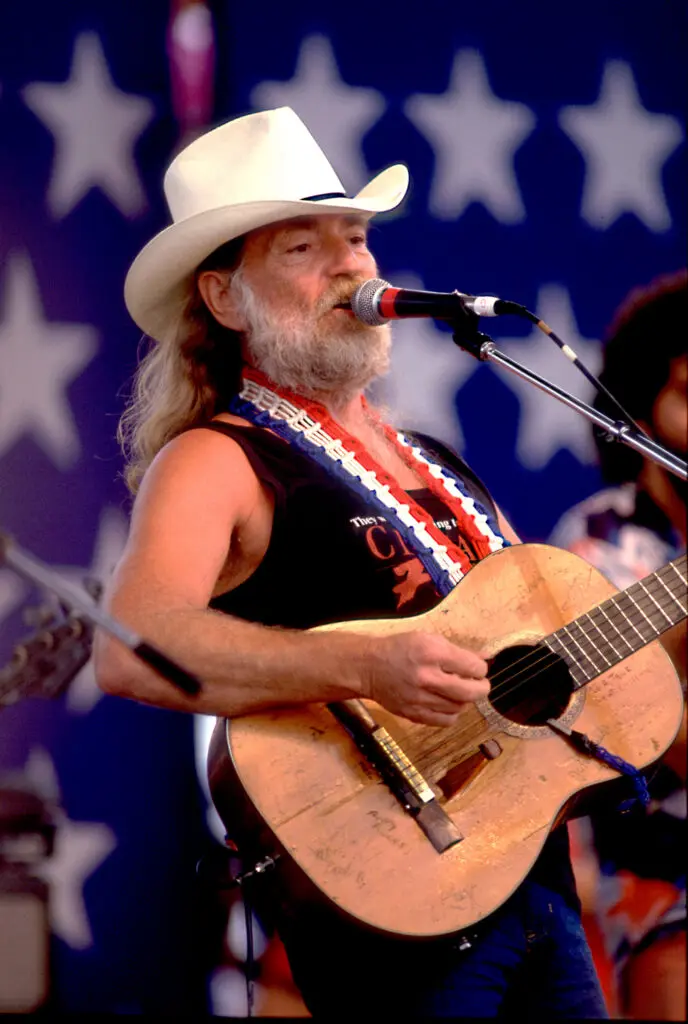
Nevertheless, by the time Willie slipped off his red, white and blue guitar strap at 1:30 AM on July 5th, he felt good about the day’s events. “Thanks for coming,” he said to the crowd. “It’s been a good day for us and the American farmer.”
Willie Nelson. Photo: Paul Natkin/Image Direct
More than that, and maybe without realizing it at the time, Willie had established a commitment to serving the farmers who serve us all – a precedent that has carried on for forty years. Two months after Farm Aid II, Willie performed for the thousands of delegates at the United Farmer and Rancher Congress in St. Louis that Farm Aid helped organize.
35mm Color Slide from Farm Aid II 1986. Photo: Jim Stratton
We will be marking the 40th anniversary of that Congress at our festival in Virginia Beach this September, but for now, as we’re celebrating the 250th anniversary of the United States, we want to thank farmers for their service to our country, and thank Willie, John and Neil for seeing, in 1986, that the work of Farm Aid and the family farm movement needed to continue. They’ve never stopped showing up for farmers and for all of us.