Learn more about Against the Grain: The Farm Aid Podcast
 Against the Grain brings the magic of Farm Aid’s annual festival to listeners year-round. Hear from farmers and artists, advocates and food experts, activists and policymakers – all of whom are working towards building a more just and equitable farm and food system.
Click here to listen!
Against the Grain brings the magic of Farm Aid’s annual festival to listeners year-round. Hear from farmers and artists, advocates and food experts, activists and policymakers – all of whom are working towards building a more just and equitable farm and food system.
Click here to listen! In this episode of Against the Grain: The Farm Aid Podcast, we take you backstage as we get ready for Farm Aid 2026 in Virginia Beach, VA. You’ll get to meet four key people who make the Farm Aid festival happen every year: Rich MacDonald, our Events General Manager; Charlie Hernandez, Production Director for the concert itself; Culinary Director Carolina Reid; and our Backstage Catering Director, Justin Betzer. You’ll hear all four of our guests talk about how they got involved with Farm Aid, what they do to get ready for the festival every year and what they love about it (hint: it has something to do with the “Farm Aid vibe.”)
Get tickets to Farm Aid 2026 in Virginia Beach, VA!
Listen to the episode below. And, make sure to subscribe in your podcast app of choice!
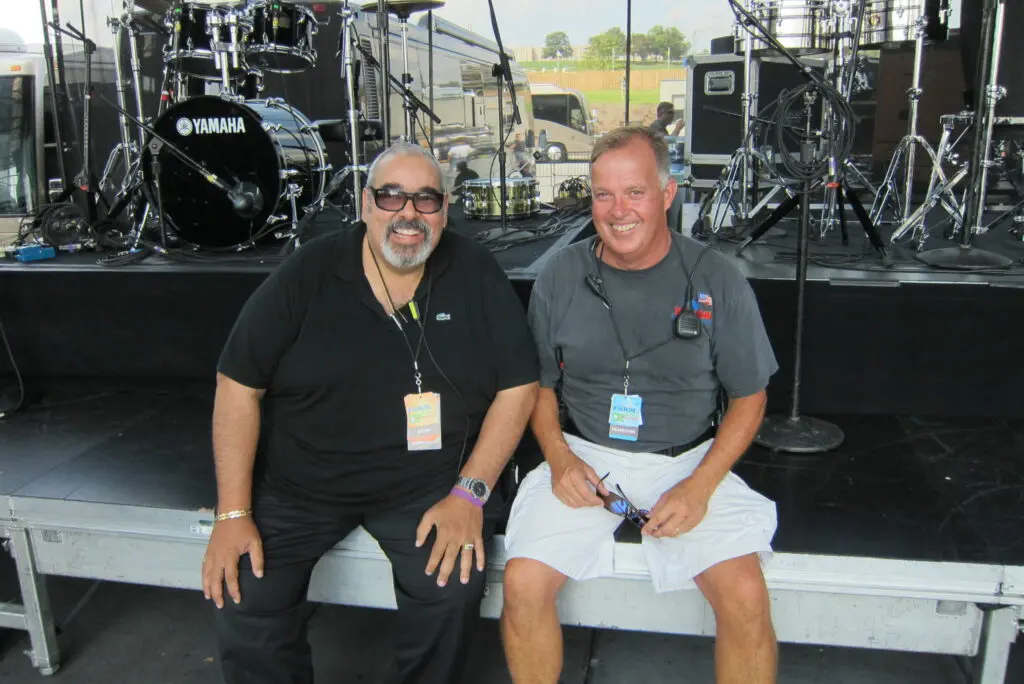
Charlie Hernandez (left) and Rich MacDonald (right)
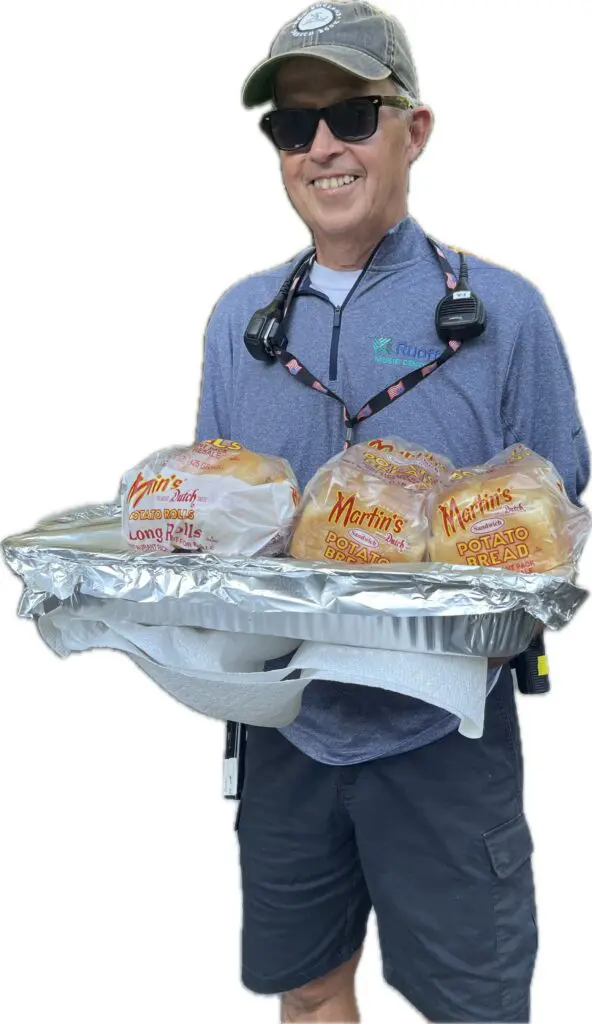
Rich MacDonald
Rich MacDonald
Rich MacDonald is Farm Aid’s Event General Manager. He has been working the annual festival since 2000. In his role, Rich coordinates all operational, administrative and logistical planning for Farm Aid’s annual festival. He coordinates all production site needs including trailer offices, power, tents and any additional equipment needed. He also ensures and implements all event safety guidelines with the production crew in order to ensure public safety in case of emergency. For many years, Rich served as Managing Director and Producer of the Boston Pops’ Annual 4th of July Fireworks Spectacular – an event that attracts hundreds of thousands of people to Boston’s Charles River Esplanade and millions of television viewers. Later, Rich served as Executive Producer and Operations Director for the Fireworks Spectacular. He knows how to put on a major event.
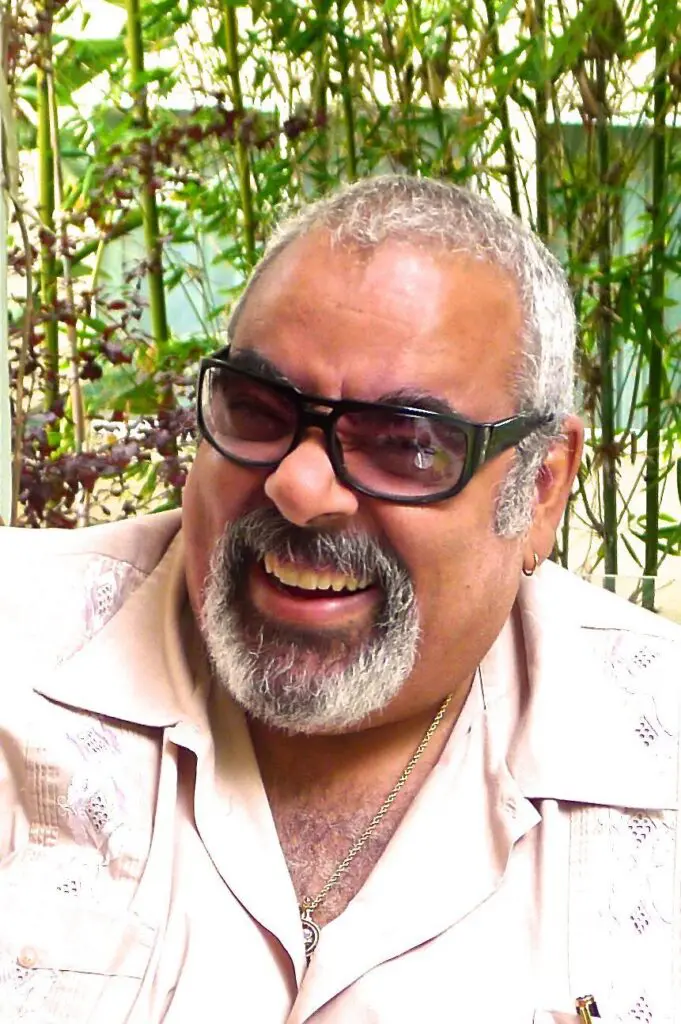
Charlie Hernandez
Charlie Hernandez
Charlie Hernandez is a legend in the live music industry. In addition to serving as Production Director for Farm Aid’s annual concert – coordinating all of the elements that make the live show and its television broadcast possible – he is the founder of Just a Bunch of Roadies (JABOR), a nonprofit organization known for its rapid response to humanitarian crises.
Charlie was born in New York City, spent much of his childhood in Brazil and returned to Long Island in 1967. After deciding not to pursue medical school, Charlie took a different path—starting on the ground floor in the Live Events Industry. He began his career as a roadie in the touring music scene, eventually founding his own production management company, QED Productions. Over the years, Charlie has worked with some of the biggest names in industry, including Billy Squier, Def Leppard, Prince, Metallica, the Rolling Stones, Michael Jackson, David Bowie and Sting.
Charlie’s deep-rooted desire to make the world a better place is another defining aspect of who he is. His friends describe him as someone who “lives life large with a big heart.” Known for his exceptional coordination and problem-solving skills, Charlie has built a vast network of key relationships that have played a major role in the success of JABOR. True to his roadie roots, he sees himself as part of a larger community effort, where everyone contributes, rather than as a singular leader. In recognition of his immense contributions, Charlie received the industry’s highest honor—The Parnelli Lifetime Achievement Award— in 2012 at a gala dinner at the Mirage in Las Vegas.
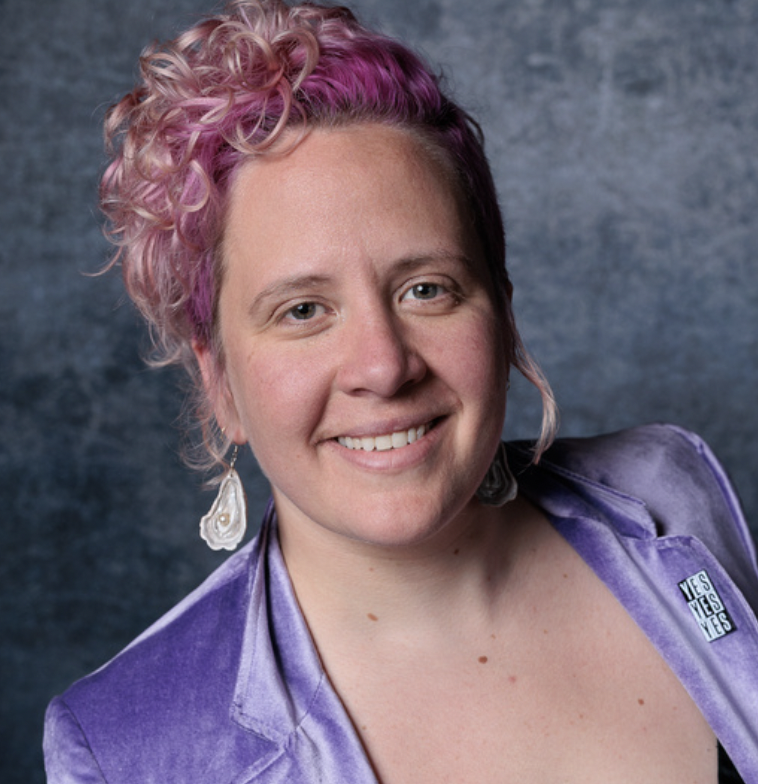
Carolina Reid
Carolina Reid
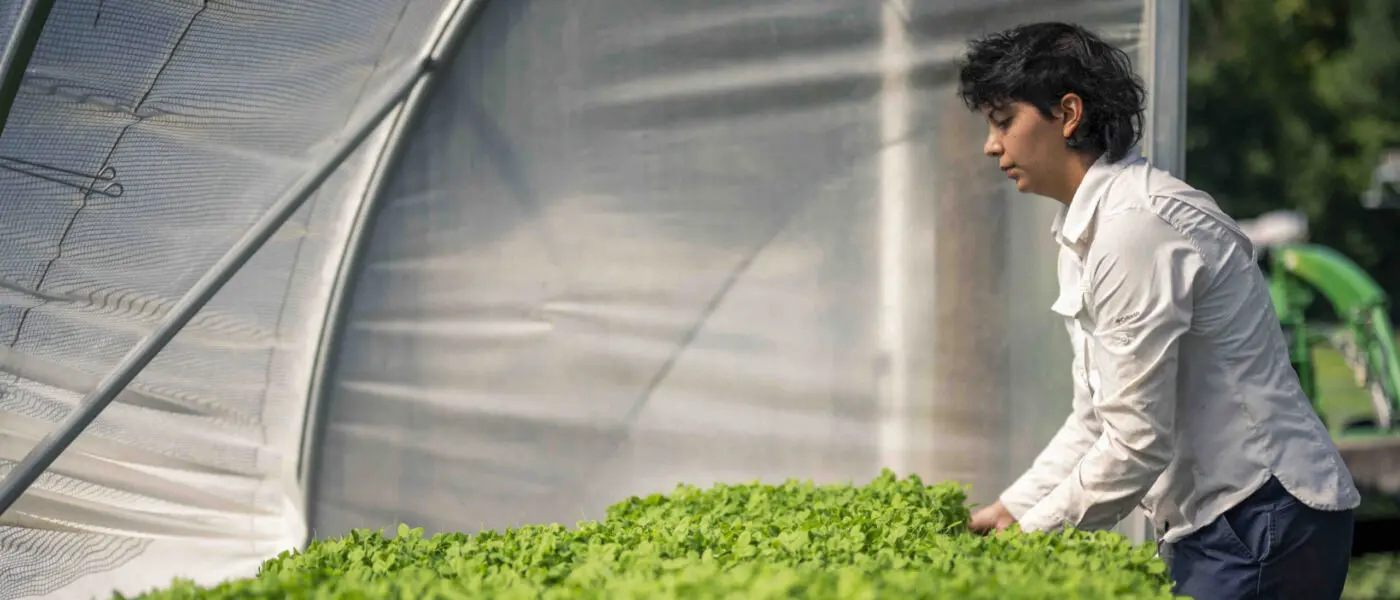
Carolina Reid is Farm Aid’s Culinary Director and is responsible for carrying out the mission of HOMEGROWN Food for All®: Food grown by family farmers who utilize ecological practices and are paid a fair price. For ten years, she has witnessed the resilience of local food systems through her work with food hubs, retail coops, farmers markets and in farm-direct sourcing. She lives in a tiny home in Washington, loves anything pickled and actually does love to wash the dishes.
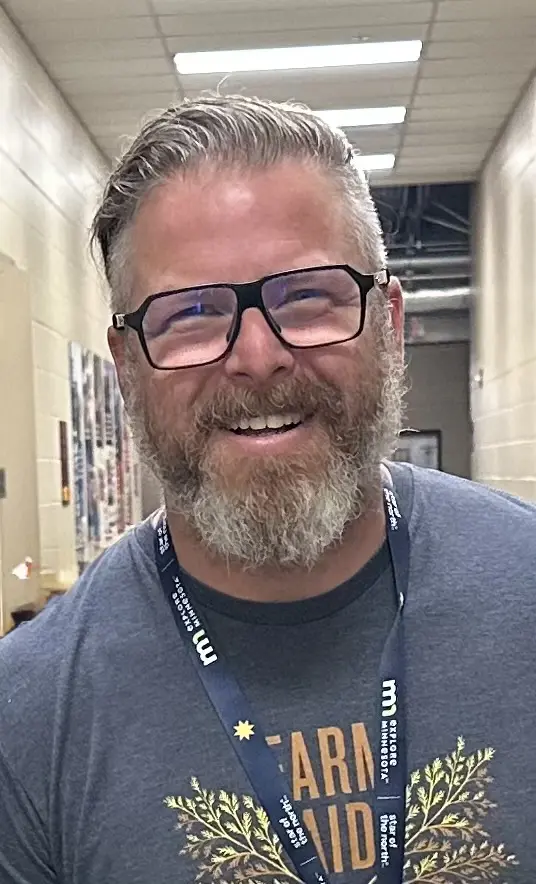
Justin Betzer
Justin Betzer
Justin Betzer grew up in a farming community where he learned that the land, hard work and strong family values are deeply connected. His passion for agriculture comes from seeing firsthand what Mother Earth can provide when dedicated people share a common vision and work together to support one another. He believes that farming is more than an occupation; it is a way of life that strengthens families and nourishes entire communities. He is proud to support Farm Aid’s mission of giving back to the farmers whose perseverance and commitment sustain the world around us. To Justin, being a farmer means taking pride in what you grow, supporting your neighbors and leaving the land better for the next generation.
Watch Elton John perform “I’m Still Standing” and “Candle In the Wind” live at the Farm Aid concert in Indianapolis, Indiana, on April 7th, 1990. He dedicates “Candle in the Wind” to Ryan White, who passed away the following day.
The Farm Aid Vibe: Behind the scenes at Farm Aid 2026
KURN [00:00:13] Welcome back to Against the Grain: The Farm Aid podcast that brings you the magic of our annual festival year-round. I’m Jessica Ilyse Kurn.
FOLEY [00:00:22] And I’m Michael Stewart Foley. In this episode, we take you backstage for a behind the scenes look at Farm Aid’s annual festival, which takes place this year on September twenty-sixth in beautiful Virginia Beach.
KURN [00:00:34] We’ll talk to Farm Aid’s longtime festival producers, Rich MacDonald and Charlie Hernandez, and our culinary and catering directors, Carolina Reid and Justin Betzer.
FOLEY [00:00:44] Yes, these people are a great example of how our longtime Farm Aid family is shaped by the knowledge of folks who’ve been around forever and also energized with new ideas by fresh talent picked up along the way.
KURN [00:00:57] To make a festival run smoothly, there are countless details and intricacies that go into the planning many months in advance. So this episode takes you behind the scenes, showing you how Farm Aid’s back of house is kept moving, so that the front of the house can do what it does best.
FOLEY [00:01:13] From full-time Farm Aid staff like me and Jess, to a vast external team of professionals and volunteers, to the artist teams and all of our counterparts at the various venues where we hold events. So many people are involved in making the Farm Aid Festival experience unique. It’s a massive undertaking.
KURN [00:01:32] It sure is. So, to start, let’s hear from Rich MacDonald, Farm Aid’s event general manager since 2000. This is Rich’s 27th year, which is incredible.
MACDONALD [00:01:46] I first got involved with Farm Aid because I worked many years on large scale event scale events. My brother actually handles the credentials and security and has for a long time, so I started coming on just to help, and each year, um, just grew into doing more and more, and I kind of grew with it. It’s always different local markets, different parts of the country. Each individual area is unique in their own way. And you know to me that’s always a highlight nothing against the event, nothing against the food in that sense it’s the people, the people that is really what makes us the guests, the workers, the staff, on and on how everyone just comes together to pull off something that’s so positive.
FOLEY [00:02:35] Both Rich and Charlie talk about how one unintended consequence of moving the festival around the country every year, is that Farm Aid is always finding and somehow collecting new talent.
KURN [00:02:46] Rich starts at least six months out, going to the chosen venue and pulling the external team together. This level of planning has only grown as we’ve added programming and hands-on activities, as well as ways for partners and advocates in our movement to connect.
MACDONALD [00:03:02] It’s more community based. It’s bigger platform of farmers, the advocates, the community. It’s all very community driven, so it just takes a lot of, lot of meetings because the goal is to get on site and just get it done and especially for the farm aid staff who are working so closely with all these different groups. Everything is in place so when they show up. Then it’s time to just do and they can do what they need to do with these different communities, farmers, etc. without having to worry about, OK, I’m gonna lose time, precious time to get things done.
FOLEY [00:03:40] Rich has been doing this long enough that he’s seen what we call the Farm Aid vibe, rub off on Farm Aid’s partners and even changed the way they operate.
MACDONALD [00:03:51] The farm aid vibe is I usually get the sense, especially as we get closer, that positivity that is there. The unique thing now, especially with the venues that we work at, we have a long history with Live Nation and a lot of their staff when we go to the venue, it’s not their first Farm Aid they tend to get pulled into other Farm Aids and then it’s a small community even though it’s a worldwide organization Live Nation staff and personnel know about Farm Aid. So all of a sudden for them to get farm aid in there. Camp into their venue it’s a huge feather for them and word has spread that it’s just such a positive thing.
KURN [00:04:41] It’s been really great getting to know some of these venue managers and others who follow us to the next venue. When we come back, we’ll talk to Charlie Hernandez, the music industry legend who produces the live music portion that is the beating heart of our annual festival. Thank you everybody. Welcome to Farm Aid.
HERNANDEZ [00:05:03] My name is Charlie Hernandez. I’m the uh production director for Farm Aid. I’ve been doing it for a long time, and my wife works with me. She’s the television producer for the, for the bit, and we love it. We love Farm Aid, and it’s, it’s the one thing in, in the world that we work together
FOLEY [00:05:23] on. That’s Charlie Hernandez, who oversees all of the logistics alongside his wife, Andrea Fulkerson, who’s also a producer.
KURN [00:05:31] They are Farm Aid family through and through, going back many years.
HERNANDEZ [00:05:36] All the way back to Farm Aid Two or Three, something like that. So, it’s been a while.
FOLEY [00:05:42] Charlie joined us from the artist side, working with some of the biggest touring artists in the business, like David Bowie, Paul McCartney, the Rolling Stones and Sting, to name a few. Then he came to Farm Aid, and a lot like Rich described, he just kept coming back year after year. Now, Charlie leads a huge team of people who mark their calendars to make sure they can jump off whatever tour they’re working on, wherever they are in the world, to come to Farm Aid.
HERNANDEZ [00:06:08] We’ve had, uh, tremendous talent, tremendous people working on, on, on farm aid, and all it takes is once, because once, once you do it one time, you can’t imagine not doing it forever. It’s an extraordinary organization, and I’ve done hundreds of shows of like, you know, let’s raise money for this, let’s do this, let’s do that. And Farma stands alone in the way that, uh, it’s organized, the way that it’s done. I can’t imagine doing anything else.
KURN [00:06:41] Every year, staff and volunteers fly in from across the country. Once we all get onto the site for the first time together, Charlie greets us. He reminds everyone to be kind and respectful, the Willie way.
FOLEY [00:06:53] Not surprisingly, we can always trace the magic back to our president, Willie Nelson.
HERNANDEZ [00:06:59] There’s something about uh the way Willie put, well, I’m sure you’ve heard the story 100 times, but With Live Aid, Dylan said, why, why can’t we do something for people in America too? Willie heard this and the first thing he did is that he called the guys from Live Aid. And I asked, how do you do this? And they said, well, Jesus Christ, really, all you gotta do is make a phone call. And ask people to go. They’ll show up, you know, you’ve been doing this all your life.
It’s your picnics, at your shows, and your tours. You call people, you call your friends, and they show up. And that’s exactly what he did. He called and they showed up. When we played Indianapolis, we had what, 83 acts show up at the dome there. It was quite the event. And everything from Crosby, Stills, Nash and Young to Guns N Roses to What I consider one of the seminal Farm Aid moments when Elton John came out. And uh sang Candle in the Wind.
It changed everything, it changed the way. People saw Farm Aid, the way people talked about AIDS. I don’t know if you know the story about Elton. He was sitting at this young man’s bedside who was dying of AIDS that he contracted from an operation. And up until that time, people, There were people that wouldn’t even say the word AIDS. It was considered something very polarizing.
FOLEY [00:08:38] Charlie’s talking about Farm Aid 4, which took place at the Hoosier Dome in Indianapolis in 1990. Elton John was in town to support the family of Ryan White, the young Hoosier who became infected with AIDS and became an activist when John Mellencamp invited him to come play Farm Aid.
HERNANDEZ [00:08:56] Because of Farm Aid, because of that day. The discussion and, and the way people talk about things changed. You never heard farm to table before that. You never heard. Non-GMO foods. You never heard of any of that, and it’s now become part of your vocabulary.
It’s all because of Farm Aid. You know, putting the light on large farms and, and what they do. To livestock, etc. and You know, and the family farm. You know, the backbone of this country. You know, people forget that America was always the, the, the agrarian place. People came here for land and to grow food and to be self-sufficient. And it’s the message. It’s the small farm that makes America great.
KURN [00:09:50] And that’s why we do what we do every year. OK, and here Michael is where Charlie explains how planning for next year’s show starts just when the current show wraps.
HERNANDEZ [00:10:02] The planning of Farm Aid, uh, OK, so it starts. We just did the 40th anniversary in Minneapolis, and the next night, we all went out to dinner. And that’s when it started. We started talking about this year. We did a stadium last year because it was the 40th anniversary, and I thought it was very successful. It was a very good show.
And, uh, we started talking about what would be. A good place for us to do the forty-first farm aid. At that point, we start talking to the, the board and what their plans are for touring. We start talking to the agents and the managers. Uh, so this is, uh, January, February. So we have a general idea of what their of what their routing or their plan for the coming year is gonna be. And then we start looking for venues that are within.
A close enough scope for all our, uh, artists to show up to come because. We don’t pay for artists to, to come to the show. They pay their own way. They pay for their crews. We give them an extraordinary production. We put a production together, bar none. And they show up with their, with their crew and their amp line, and we put a show together.
FOLEY [00:11:32] Just to jump in here, because maybe you haven’t heard this before, but the incredible gift that the artists give to Farm Aid in the family farm movement every year is their time and talent. They charge Farm Aid no fee to perform and they pay their own way so that the organization raises the most money possible to support farmers and grassroots farm organizations all over the country.
HERNANDEZ [00:11:54] So, at this point, we looked at different venues. And we picked Virginia Beach because it’s a very well-made amphitheater. It’s about 20,000 people or so. At that point, we go ahead and start. Talking to crews, start talking to our vendors. Give, give them a general idea that it’s gonna be in September.
And it’s usually the end of September when we do it. And, you know, no is never the answer. It’s always yes, we’re in, which is extraordinary from, from everyone, from all the vendors, everybody. So it’s, it’s a real labor. We have people that are coming from all over the world to be part of Farm Aid. That work the shows. We have the production director for BTS who also does Coldplay, Bart Durbin, who’s on stage.
We have this year, we have Paul McCartney’s production managers coming. With Neil Young. And his name is Mark Spring. We have unbelievable talented people that On their calendar, they mark. And they tell their, their clients. For this week I’m going to be in. Virginia working farm aid.
We have the best of the best in the world coming to do farm aid. It’s, it’s extraordinary. It’s really good.
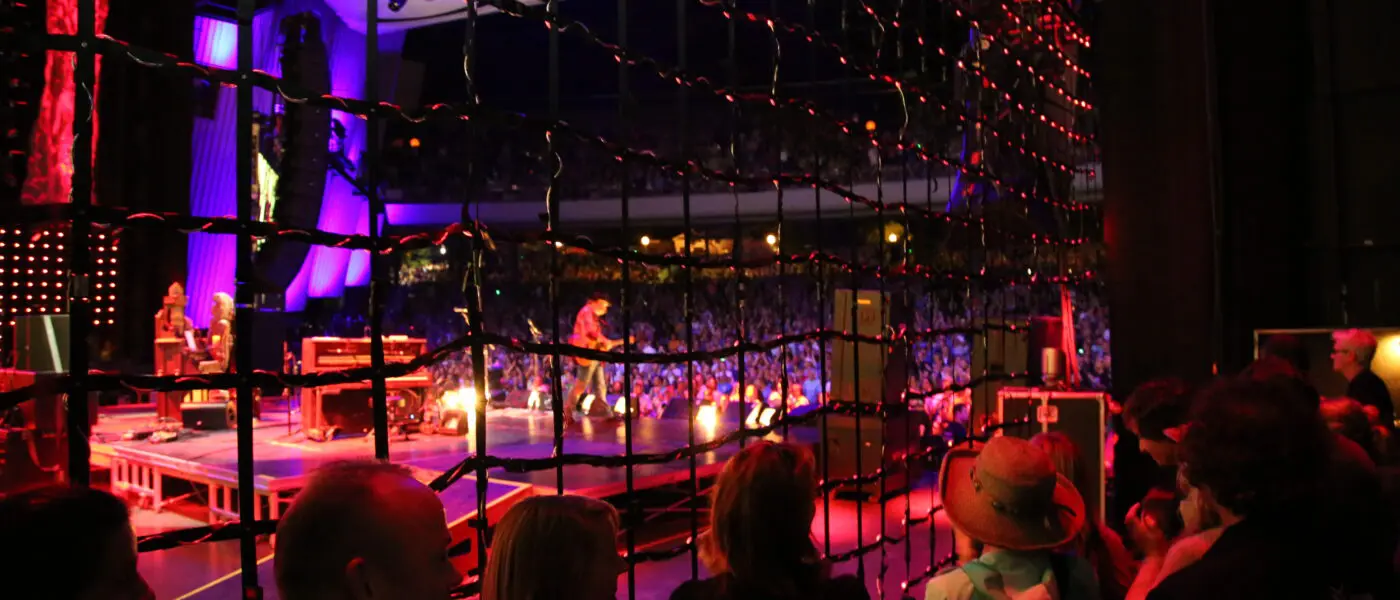
FOLEY [00:13:28] If you’ve been to a Farm Aid festival, or you’ve watched any of our YouTube videos from the last 40 years, you know how spectacular the show looks on television and in person, all thanks to Charlie and that team he builds each year.
KURN [00:13:42] And Michael, you may remember from our interview with him, he explained how working the festival not only changed his life personally, but it completely reshaped his own work.
HERNANDEZ [00:13:51] It was just a young man burning a candle at both ends. And then I was asked to be part of Foreign Aid and, and my life has never, never looked back. Literally, it’s, it’s uh. It showed me what, what, what a person can do. Kindness And I, you know, I started my own nonprofit called Just a bunch of Roadies back in the day, and that’s been going on 25 years now and the model that we have with, with just a bunch of Roadies is that. Put your hand out to a stranger.
There’s no such thing as a small act of kindness, and that’s what Farm Aid taught me, that there’s no such thing as a small act of kindness.
FOLEY [00:14:37] Small acts of kindness extend to so many of the vendors, the companies that Charlie works with to put on the show. Last year, Charlie brought in a boatload of money of in-kind donations, basically work, services, equipment and supplies, either for free or dramatically discounted, because it’s farm aid.
KURN [00:14:56] There’s so much generosity and kindness backstage. I asked Charlie if he thinks the audience picks up on that farm aid vibe.
HERNANDEZ [00:15:04] Our industry is, is very kind. And very giving. I can’t say enough about the people that work here. It’s the people. It’s the lighting guy. It’s the, it’s the sound woman. The farm volunteers. It’s the people that show, people show up. And they go out of the way to make it nice. You know, and at every farm aid, all you see is smiles.
FOLEY [00:15:37] Charlie has basically become an evangelist for Farm Aid.
KURN [00:15:40] Agreed. When we come back, we’ll hear from our culinary team who lead with their hearts and their stomachs, wink wink, to bring the best food to festivalgoers every year.
FOLEY [00:15:51] Join us for Farm Aid 2026 on Saturday, September 26th at Veterans United Home Loans Amphitheater in Virginia Beach. This all-day celebration of music and farmers features a unique line-up of artists and genres, along with delicious family farm foods and our HOMEGROWN Concessions®. Join us to celebrate and stand with family farmers. Go to www.farmmaid.org/podcast for details.
KURN [00:16:28] Welcome back. Charlie and Rich talked about the ways Farm Aid has changed our music industry. Like when Farm Aid introduced HOMEGROWN Concessions® and Catering, our model for responsibly sourcing food for live events.
REID [00:16:42] My name is Carolina Reid. I work as the culinary director for Farm Aid.
KURN [00:16:47] Last year, Carolina became our culinary director, and that was just in time for Farm Aid 40. Now, as we head into Virginia Beach, Carolina has been hard at work on the festival menu and sourcing from the region. This is not just her job, it’s her calling.
REID [00:17:03] I saw how disconnected as a culture our world is from food and just wanted, I feel passionate about connecting people closely to food and the story that is how and why we eat and where all that comes from. I worked in restaurants for several years that had no focus on where they were getting their food from. I attended culinary school mostly to kind of get my backbone in the kitchen, but then started focusing on food hubs and sourcing and retail cooperative work, noticing that, oh, I was working in a food system that actually is so disconnected from food. So, the more that I educated myself as a consumer and just kind of noticed trends, I noticed the flaws in what is now a very corporatized food system in this country and became more and more affectionate about family farmers, was given more opportunities to connect with family farmers.
FOLEY [00:17:57] Clearly, Carolina is a perfect fit as Farm Aid’s culinary director, she really gets it.
REID [00:18:04] I think the cool thing about Farm Aid is that there is this focus, emphasis, pillar of our food sourcing. Not everybody is doing this. There aren’t large festivals. There aren’t large organizations that are focusing on the food that they’re feeding people. So it’s a privilege to work with an organization that says it is powerful for for us to have a culinary department that is focusing all of its time on this. So now I get to pivot what would be institutional corporate dollars towards the family farmer. We get to work with large concessionaires and bring food trucks into a festival that maybe wouldn’t have a space otherwise and we get to represent family farmers on a menu that wouldn’t otherwise be represented and feed our people the story of the family farmer.
KURN [00:18:50] In order to make it onto a Farm Aid festival menu, the food has to come from family farmers, be raised in an ecological way like organic or non-GMO or grass-fed, and as always, we’re committed to farmers being paid a fair price.
FOLEY [00:19:05] To continue with our sustainability efforts, all this food is served on 100% compostable or recyclable serviceware, and we have compost bins everywhere you look. Now this isn’t an easy process at the scale we’re working at. Our HOMEGROWN Concessions® will serve food to 20,000 people this year. Last year it was nearly 40,000. And on top of that, catering serves about 8000 meals to the artists, staff, and crew throughout the week.
REID [00:19:31] It’s interesting what that looks like. It’s basically like setting up a micro supply chain in a region for a year. My goal is that micro supply chain would trickle into some relationships that last after the festival. But I start in May and June, just kind of having conversations. Sometimes that looks like, oh, there’s this really fabulous restaurant that’s very clearly sourcing farm direct. And we’re just having a conversation with that chef.
Hey, who are your farmers? And that chef writes this, you know, literally on a napkin, a list of a few farmers to reach out to, and then I’m connecting with them. Sometimes we’re partnering with a food truck that’s already at a venue that we’re at, but they’ve never sourced like this before and I’m providing them tools for sourcing accordingly. But also, sometimes we have partners that are really already walking this walk and believe in what we’re doing and we are learning from them. They’re like, hey, we’re really excited about this pork producer, and I get to say, You know, that’s so rad and that’s what we want to put out there to our festivalgoers. So, I would say the interesting thing about this role and the actual application of how it’s done is it’s unique in the food system that we exist in these days. There is not a standard operating procedure for how to do this work.
It’s a lot of relationship building. And listening and hearing what’s going on and following up with questions and researching and trying to find out uh the answers, but it’s a lot of fun. I have really valuable conversations and we get to put our money where our mouth is as Farm Aid and buy from family farmers. So that’s really powerful as well.
KURN [00:21:08] We asked Carolina if she could give us a behind the scenes peek at the menu for the upcoming festival. She told us about bison hotdogs from Riffle Farms in Norfolk.
FOLEY [00:21:17] Right, Carolina told us that she met Liz Riffle at the Old Beach Farmers Market in Virginia Beach, and they quickly agreed on including bison hotdogs at the festival. But we wondered how the kind of seemingly small farms you might encounter at a farmer’s market can provide enough food for a festival.
REID [00:21:35] Yeah, I think this is almost a myth that I’m trying to break is that there’s this idea that like family farmers certainly couldn’t have scale for such a large operation. I think the power of homegrown is that we can show people that sourcing farm direct is possible and that small family farmers did once sustain a local population at scale. At some level of scale. And so, we get 19,000 people together for a day of the festival, which sounds like a huge number of people to feed. But really, that’s a small city and that small city could be serviced by a few family farmers. So, we’re really just creating this kind of like microsystem, but the quantities are Often totally achievable from family farmers, especially with the power of Food hubs.
Sometimes food hubs act as an aggregator, so you’re buying ground beef and it’s coming from 3 different farms, but they’re processing together or in unison, or it’s the food hub that is putting those orders together. So, there’s, there’s power these days, like scale is not the issue. It’s more, sometimes it’s distribution, sometimes it’s logistics. Of course, sometimes it’s scale, but there are methods, things that we’re changing, and I like to promote that because it is like the number one. Institutional food service operators, it’s their number one worry, scale and food safety. And we live in a day and age where the food safety question is, I think, changing completely where we recognize that locally, regionally sourced food is actually much safer for populations based on food safety. So, that side of things, I don’t even have to convince people, the headlines do.
KURN [00:23:26] Everyone at Farm Aid gets fed well. I mean, every time I go, I load up with beautiful salads and cheeses and granolas, and everything is sourced in accordance with our HOMEGROWN standards.
FOLEY [00:23:37] Right, so we talked to Justin Betzer, who works closely with Carolina, to come up with a menu for everyone who works the festival. The riggers, the lighting and sound folks, the television production staff, the farm aid staff, and of course all the artists and their crews.
BETZER [00:23:53] My name is Justin Betzer, and I am the catering manager within Farm Aid.
KURN [00:23:59] Justin is one of those folks that Rich and Charlie talked about earlier, a guy we first met when we played Farm Aid in Burgettstown, Pennsylvania, just outside of Pittsburgh in 2017, and now he’s stayed on as part of the Farm Aid family. He wouldn’t, and we certainly wouldn’t have it any other way.
BETZER [00:24:17] They were looking for a caterer in the Pittsburgh markets, and the company that I was working with, we Have the same values and everything that they were looking for a lot of organic buying local, buying fresh and really taking the food that we served our guests to the next level and we got a partnership going and since 17 I’ve been with Farm Aid since running the HOMEGROWN Catering. We try to tweak the menu every year to make something new and different. The unique thing about the HOMEGROWN Catering part of it is we try to get our donations and things, products in a week in advance, so we get a refrigerated truck on premise, uh, the week before and I try to source as much as I can. So then when I show up the Sunday before the show. I have my shopping list in a sense, and I checked to see if the 2 cases of acorn squash and the 500 pounds of green beans and all the things that I have pre-ordered through the farmers is here or coming in. I keep track of all that, so the first couple of days that’s what I do and then have a company that comes in and sets up the kitchens and all the things that we need to cook and make the catering happen.
From there we start service on the Wednesday before we start with the stagehands and part of the farm aid, you know, group that comes in that we start feeding breakfast, lunch, and dinner on Wednesday. It proceeds the whole way through Saturday night into Sunday as the stage is being taken down. The people that are taking down the stage and the drivers of the trucks to take it away, we feed them at like one o’clock in the morning Sunday morning. So it’s nonstop action from Wednesday through that Sunday morning. I really like it. It, it really adds a lot to what I’m about and what I enjoy too because I’m big into the farming world and all about buying local, buying fresh. That’s the way I live.
If I could have. At some point in my life, 20 acres with a little farmed on it and making do my own thing, I would love to have that. So it’s great to have the opportunity to work with the farmers, talk to them, work with the great people that are part of Farm Aid, and making an event like this happen.
KURN [00:26:32] There’s that farm aid vibe again. I think Charlie says it best.
HERNANDEZ [00:26:36] And all you see is a a a a kind hand. And you, you just see a, a community of people that lead with their heart. My grandmother used to say, food is love. And for me it is love. You have to come. If you haven’t been, get to it. All you need is once. You just got to show up once and your life will change. It’s extraordinary and you’ll never pass a farm stand on the road again. You’ll pull over and you’ll buy a sack of tomatoes and you’ll pull over and you’ll talk to that person that’s sitting there or that kid that’s selling. That’s selling tomatoes that grew on the farm behind him and talk about his grandpa. Uh, you know, he learned to drive when grandpa put him on the seat of a tractor. And taught him to drive straight. Using a tractor. There’s 1000 stories and they’re all true. And that’s, that’s what America is all about. It’s the family. It’s the food. It’s a kindness And that’s what Farm Aid is all about, and food is love, and so is Farm Aid.
FOLEY [00:27:44] I don’t think we could have written a better ending if we tried.
KURN [00:27:48] 100%. We hope to see many of you in Virginia Beach on Saturday, September 26th, and there are still tickets available. But if you can’t be there in person with us, there are many ways to tune in from wherever you are, from CNN and Sirius XM Radio to nugs.net and our very own free live stream at Farmaid.org.
FOLEY [00:28:08] Come find us at the festival, we’ll be in the HOMEGROWN Village and we’ll have free Against the Grain buttons for you.
KURN [00:28:14] And here’s the Elton John performance that Charlie mentioned from Farm Aid IV in 1990.
ELTON JOHN [00:28:26] Music
FOLEY [00:29:12] Thanks again to Rich MacDonald, Charlie Hernandez, Carolina Reid, and Justin Betzer.
KURN [00:29:18] Is there something you want us to cover in the future? Send us an email or drop a comment. You can email us at podcast@farmaid.org and find us on social media, which is @Farmaid on Instagram, Facebook, Threads, and Blue Sky.
FOLEY [00:29:31] And don’t forget YouTube where you can watch almost 40 years of performances and other content. Let your friends know about Against the Grain. We’re beyond grateful when you listen, share, like and subscribe to this podcast.
KURN [00:29:49] Against the Grain was written and produced by us with sound editing and direction from Dawn Sorokin, and thanks to Micah Nelson for our awesome theme music.
FOLEY [00:29:58] Head over to our website to learn more about the podcast, www.farmaid.org/podcast. And thanks to all the farmers out there. We’ll chat with you next time.