Artists & Activism!
 Listen to the Artists & Activism series of Against the Grain: The Farm Aid Podcast to hear from more than two dozen artists who use their voices as vehicles for political engagement and expression on issues that matter to them.
Listen here!
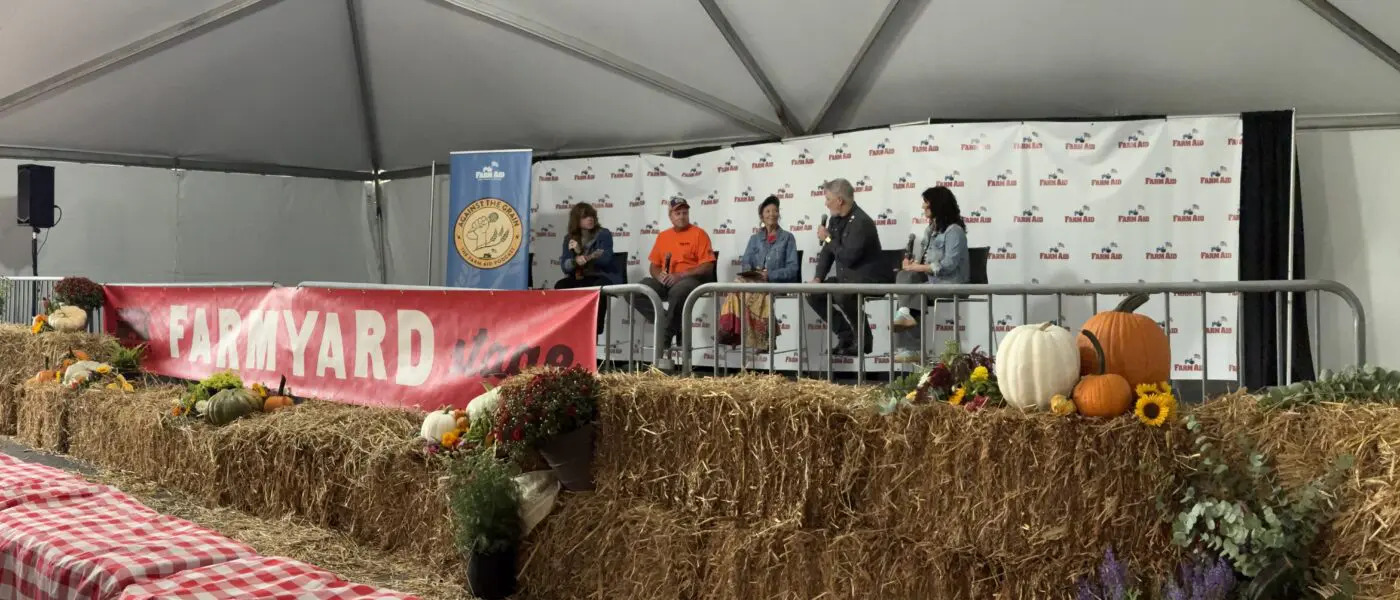
Take a listen to a panel discussion recorded live on the FarmYard Stage at Farm Aid 2026 in Virginia Beach, VA. Our guests include Virginia waterman Kevin Godsey, Missouri farmer and Executive Director of the Missouri Rural Crisis Center, Rhonda Perry, and Arkansan and third time Farm Aid artist, Jesse Welles. With these expert guests, we discuss land use and the pressures facing farmers and fisherpeople in the face of overwhelming corporate power. This is especially relevant in Virginia, home to the greatest concentration of newly-built data centers that are having adverse effects on farming and fishing communities.
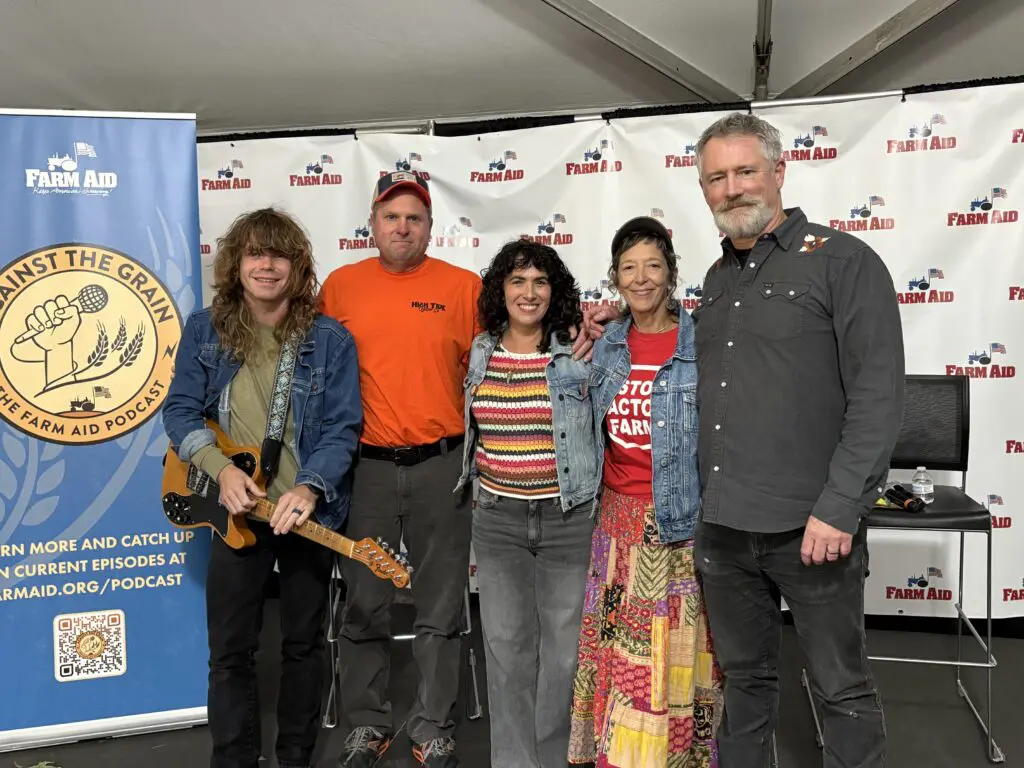
From left: Jesse Welles, Kevin Godsey, Jessica Ilyse Kurn, Rhonda Perry, Michael Stewart Foley
Listen to the episode below. And, make sure to subscribe in your podcast app of choice!
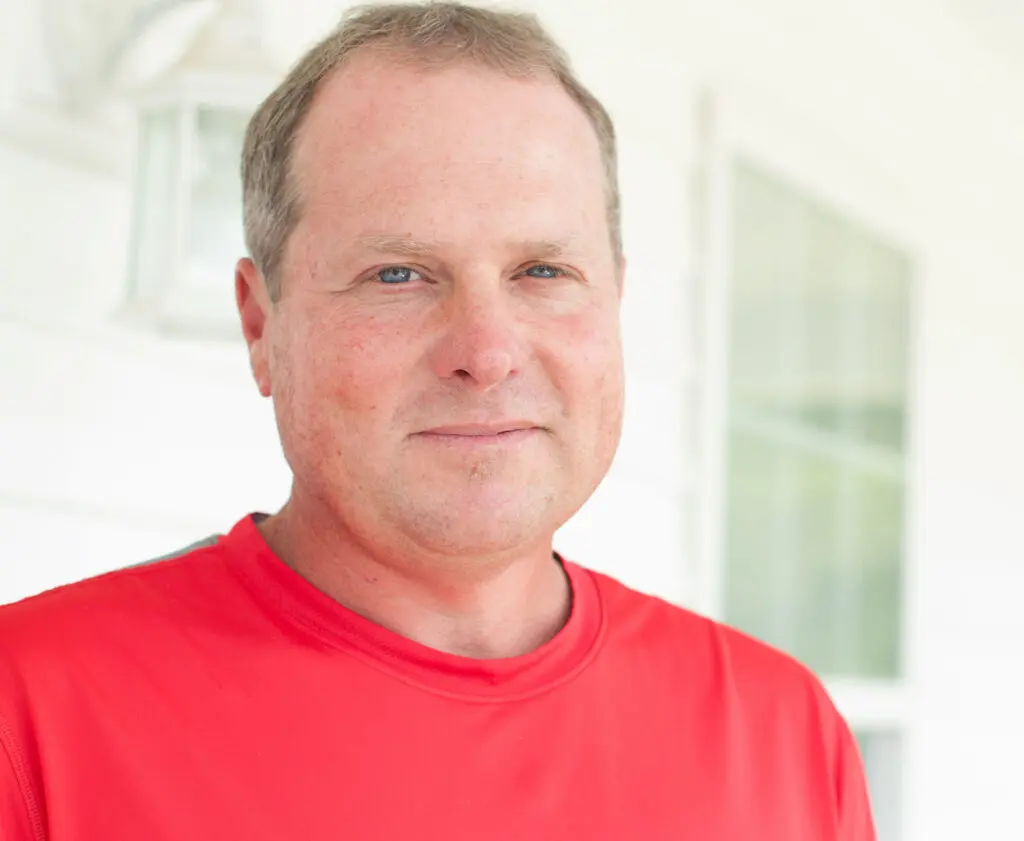
Kevin Godsey
Kevin Godsey, born in 1972, is the son and grandson of watermen. He lives on land that has been in his family for three hundred years. Godsey has witnessed the continual decline of commercial watermen in Mathews County, Virginia. Mathews County was once a thriving farmer and fisherman’s county having the only bank named The Farmers Fishermans Bank. As a child, helping his father, he saw eighty to a hundred boats leave the docks each morning. Now, Kevin works alone on a skiff. He crabs, oysters and fishes seasonally. He carries his catch directly to Richmond to a network of seafood stores. Godsey also takes part in state aquaculture programs, growing hybrid oysters. He educates young people about how oysters are harvested. He is also an avid collector of seafood-related ephemera, from oyster cans to general store accounting books. He has participated the UF Samuel Proctor Oral History Program, Southern Foodways Alliance, Virginia Folklife Program: Power of People, Culture and Place and the Virginia Tech Center for Oral History.
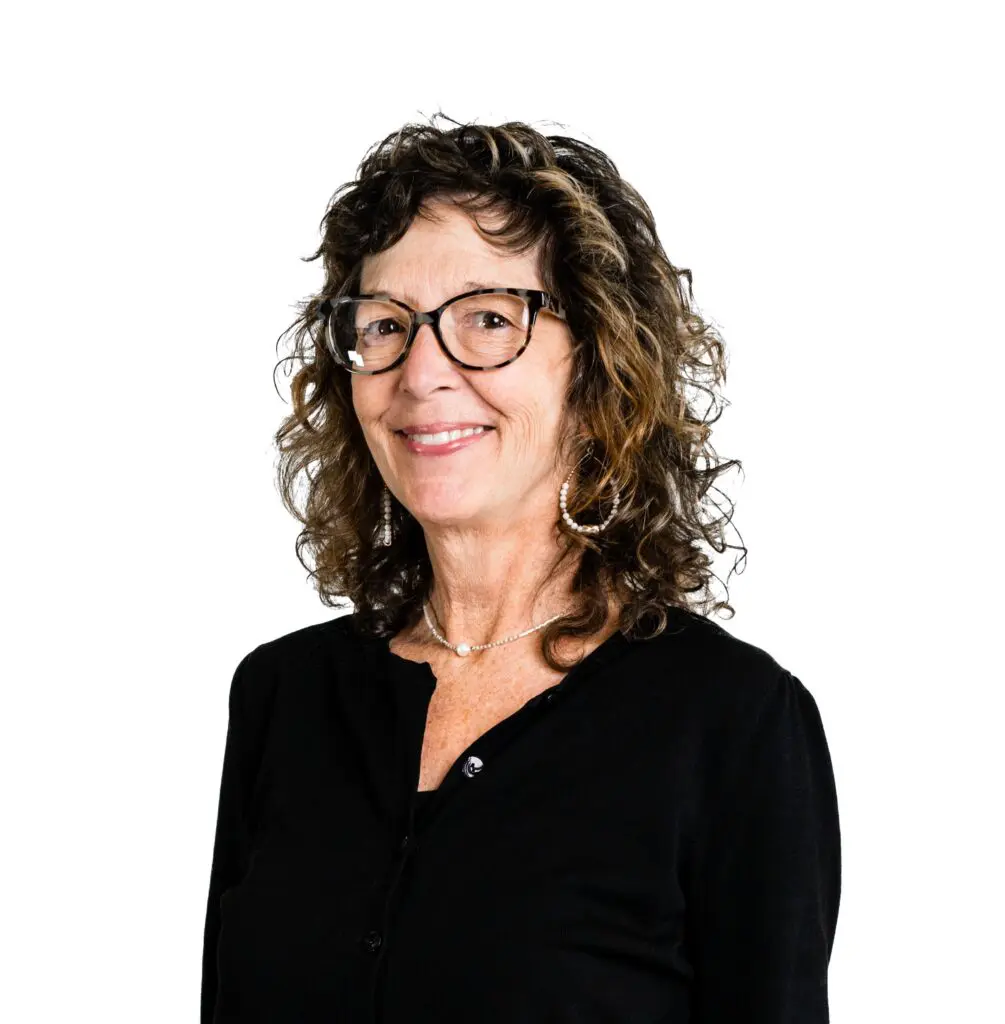
Rhonda Perry
Rhonda Perry is a fifth-generation Missouri farmer originally from Chillicothe, MO. Watching her family and other local farmers stand up for their livelihood during the farm foreclosure crisis in the 1980s inspired her to dedicate her career to amplifying the voices of rural farmers and communities. After receiving a degree in psychology, she joined the Missouri Rural Crisis Center (MRCC) where she now serves as the Executive Director. In her role, she manages staff, directs on the ground programs and initiatives and drives their state advocacy. Rhonda is especially passionate about the organization’s environmental justice work, sustainable farming and food programs. As a cattle farmer herself, she loves to ensure the statewide advocacy of the MRCC is grounded in the everyday experiences and voices of rural families. Rhonda believes rural Missourians must be a part of the solution to make the state better, stronger and healthier.
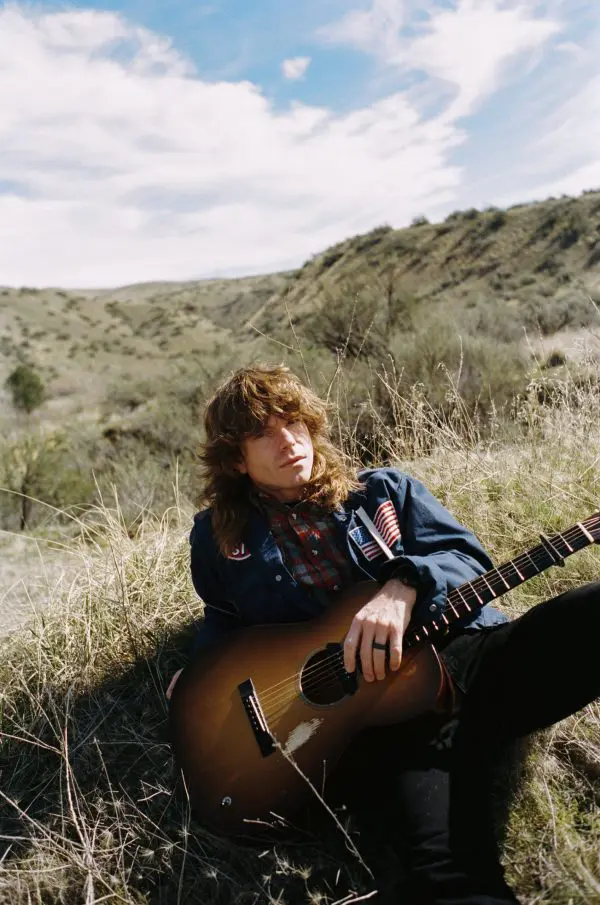
Jesse Welles
Jesse Welles carries on the troubadour tradition – relaying the news, putting pain into words and healing with humor. Fearless and uncompromising, he sings from the frontlines of a divided country, addressing injustice with sharp clarity. His raw performances, filmed alone in the Arkansas wilderness, have drawn over a million followers and sparked sold-out tours.
KURN: Welcome to Against the Grain: The Farm Aid podcast, where we bring you the magic of Farm Aid’s annual festival year-round. I’m Jessica Ilyse Kurn.
FOLEY: And I’m Michael Stewart Foley.
KURN: This episode was recorded live on our FarmYard Stage at Farm Aid 2026 in Virginia Beach, just as a huge nor’easter storm was battering the area.
FOLEY: Yeah, it did make for a challenging setup, and some of our pre-festival events were affected, but the show must go on.
KURN: It sure must, because someone even snapped an epic photo of me and another Farm Aid staff member braving that storm on a golf cart. Uh, we were carrying hay bales and corn stalks, which I do not recommend setting up during a nor’easter.
FOLEY: Luckily, even though it was pretty windy when the gates opened on the day of our festival, the rain held off for the most part. We started our day on the FarmYard Stage with rock star guests of all kinds.
KURN: We sure did. We had Kevin Godsey, a Virginia waterman who has been living on the same land that his family has lived on for 300 years, Rhonda Perry, a Missouri farmer and the executive director of the Missouri Rural Crisis Center, and actually you may remember her from our Chillicothe series with John Mellencamp.
FOLEY: And we also had Jesse Welles, a rock star artist from Arkansas, who’s also been a guest on Against the Grain in our Artist & Activism series. You can check out the Chillicothe series and the artist and activism series when you’re done listening to this panel.
KURN: Now, without further ado, here is the panel.
FOLEY: If you could tell the audience a little bit about what your work is like and what kinds of challenges your community is facing.
GODSEY: One thing I see is a lot more pollution every year. Well, this year we probably got the biggest red tide we’ve ever seen in Chesapeake Bay. It’s causing more death with seafood on the eastern shore, which is usually a cleaner water than on the western side of the bay. They’ve got a lot of dead fish floating now, dead crabs and everything from the red tide. The only problem I’ve had is about three years ago, I had a probably about an 80% death in oysters. I can’t blame it on the red tide, but that’s what I feel like probably killed them.
It just seems to be getting worse and worse and worse. When I first started, we never saw such a thing as a red tide, and now it’s just a normal occurrence every summer. And really don’t see any solution or anybody even talking about fixing the problem. It just keeps getting worse and worse every year.
FOLEY: Could you say a little bit more about the cause of the pollution in case folks don’t understand?GODSEY: I can’t really point the finger at one thing or another. I do know we have a lot more sewer systems in big cities that probably need to be updated and have spills every year. The Potomac River had one this past year. It was probably the biggest, the biggest one that’s ever been had. And just in the last year, a little town of Tappahannock had one. Hopewell up near Richmond had one, and that’s three big spills in just one year.
KURN: Rhonda, can you talk about the land pressures that you’re seeing that farmers are up against?
PERRY: Sure. My name is Rhonda Perry, as we said, and I’m a fifth-generation farmer from Missouri. So really, that’s all I know is agriculture. And I think there are a lot of pressures that we have right now in agriculture. 46% is the percent of increase of farm. Foreclosures around the country.
In my state in Missouri, it’s a 167% increase in family farm chapter 12 bankruptcies. 167% is a pretty incredible number, and that does not include this year, which is going to be even worse. And you can be like, why, why now? Why this year? But it’s been three years of price losing for family farmers who raise commodity crops and livestock, and the bankers are not giving loans for next year to thousands of those farmers. And the suicide rates of farmers is nearly five times higher than that of non-farmers because the pressure of these multi-generational family farms that have been around and been in families forever and now this could be the time we could lose them is an incredible amount of stress. So, I wanna just make sure we talk a little bit about the policies that got us here because we didn’t just get it, it wasn’t an accident that like for three years, farmers could not make a decent living and are going to lose their farms.
It’s because we’ve had bad policy and we had didn’t just start in the last three years, but you probably have heard something about tariffs and about beef imports and about some of the current bad policies we have. And we are facing unprecedented crisis price crises in rural America that we haven’t seen really since the 1980s and so I wanna also just stress that because of that desperation, now we have a new set of challenges that comes in the form of things like data centers and exploitative um types of economic development. And what they say is this is the only thing you’re gonna get it’s take it or leave it if you don’t have these kind of exploitative industries that really export our natural resources, export our people because these are not big jobs and pollute our water, that’s the kind of economic development they wanna replace family farm agriculture with so I just, um, really feel. From the bottom of my heart that this is the time that we have to say no to these industries who want to take advantage right now of family farmers and the desperation of rural communities. So I hope this is the beginning of a conversation about how we together can say no.
FOLEY: We spent a lot of time talking about this yesterday at the farmer forum, actually talking about land, land pressures and data centers being this issue that’s really risen beyond prominence, but the urgency this year. Jesse, coming from Arkansas, I know you are seeing some of the same kinds of pressures on farmers there and also maybe out on the road where you’re touring all over the country.
WELLES: Yeah, yeah, and Arkansas, Arkansas farmers have been in trouble for years, just like all American farmers, but especially here, here recently. I mean with this big blustery trade war on America’s largest trading partner, China. They’ve got no soybean contracts. China has gone ahead and bought all of its soybeans this year from, uh, Brazil at an upcharge. You know, just to, just to spite those who have spited them, and what it’s done is left farmers all over America, but in Arkansas especially because soybeans is our largest, well, second largest export aside from rice. It’s left them with no contracts.
They have all the seeds are in the ground. Everything’s grown up and planted and no profit coming in on an already thin margin. They don’t make any, hardly any money doing what they’re doing. Huge pressures for them. All they have left is their land. Really, at this point, diesel prices as high as they are too with this, this war of choice in Iran, really everything is working against them. Nothing is working for them at the moment.
You see it in Arkansas, but you see it all over. You see it all over.
FOLEY: And so when you, when you see that in Arkansas and farmers with little to no margin or not being able to sell their products at all, what kinds of options the farmers have for their land if they can’t make a living off their land?
WELLES: Yeah, at that, at that point they’re looking at selling their farms if that’s what you’re, if that’s what you’re getting at. Yeah, they’re looking at selling their farms. Those who aren’t even considering selling their farms and hanging on to them, most of the farmers, especially in Arkansas, are over the age of 60, and their kids don’t want the farm. Their kids can’t afford the farm even though it’s something that they had intended on passing down like it had been passed down to them. So with over half of the farms being owned by 60 or older, we’re looking, coming down the pipe is a big crisis. OK, those farms are gonna go away.
That’s their only option left is to sell the farm. It’d be hard to keep a hold of it in this, in this economy.
PERRY: And just to, to sort of tie that to this last question, Michael, it sort of just hit home to me because who owns the land does matter and it’s true. That When farmers are in these kinds of desperate situations. And the land is going to trade hands. I just have to tell this story because it just sort of Breaks my heart a little bit in Missouri. There’s a, um, 90-year-old farmer in the county next to me who a data center is trying to come in, and they said no, they weren’t gonna sell, they didn’t wanna sell, and the data center people literally come to his house consistently on a daily basis to try to convince him to sell. And in that same county.
Another farmer does not want to sell and he has a son, and he wants his son to have that farm and be a farmer and his two neighbors want to sell and the data centers, I mean, he would be surrounded in the creek that runs through his farm will likely or potentially be. Polluted and so this kind of desperation and when we don’t connect like farm policy and why it matters that farmers make a living to who owns the land, this is the kind of exploitative economic development we get. But I think we can do, we can do better, we can understand what is happening and learn what is happening and we can also understand that corporate concentration and consolidation helped get us here as farmers we are buying our seed and our inputs at such exorbitant costs and only from like 4 corporations. And then on the other end, we’re selling also into 3 markets. Like that’s who’s, that’s who’s in the game. 4 corporations control the entire hog industry and 2 of them are foreign corporations from China and Brazil, 1 of whom owns 40,000 acres of Missouri farmland. Exactly right about who could own our farmland.
So we really need to pay attention to those two like prices, but also why we can’t get fair prices is the policies that has enabled corporate agriculture and corporate concentration to get the foothold they have and we can talk a little bit at the end about what we’re gonna do about it and what we need to do about it, but one thing is just to educate ourselves here today about it.
FOLEY: Kevin, So, one of the things that we’re excited about for Farm Aid coming to Virginia Beach was to bring people together and talk about farming on the land and farming on the water in the same conversation. So, I wonder, now we’ve heard a few examples of struggles that are happening in the middle of the country, if you could talk a little bit about uh the kind of pressures on the oyster farmers are feeling, watermen and women are feeling, and how it Overlaps or is different too.
GODSEY: We’re a lot better off on land because the state leases the bottom. In the bay and creeks and rivers to us at a very reasonable rate to grow the oysters on, which most of it is taken up now by a few big corporations, but we, we lucked out on having that in Virginia. And like I said, with the pollution, that’s really the main issue we’re running into. Oyster farming has come a long ways in the last 10 years, but we developed a triploid oyster that is sterile, that grows real, real fast, and he has a real plump meat year round where the wild oyster, when it spawns and has its little ones, it gets real poor. So we’ve come a long ways with the quality on that.
FOLEY: And, but then you were saying earlier about the pollution, which is, you know, as you say, partly caused by these corporations, right? Is it, are you feeling the same kind of pressure that farmers on the land are feeling from this kind of corporate concentration?
GODSEY: It’s probably maybe 4 big companies in the state of Virginia that buy a majority of all the oysters, so they kind of squeeze out the smaller person and you got to find a niche market to kind of make it with it. And like Jesse was saying about the age, the average waterman in Virginia is in its early 60s, so I don’t know what kind of future will be there for that.
KURN: I was just thinking, Jesse, you were on our podcast before and when we talked to you, you mentioned how you saw in your hometown in Arkansas that rural people were even being pushed out by different corporations and how corporations are affecting your small town. So I’m wondering if you could talk about that.
WELLES: Yeah. I think folks are just being drawn into the cities because there’s no opportunities in the smaller towns, so their parents stay and stuff, but like I, I think of even my graduating class in 2011 in high school if anyone was wondering how old I am. Let’s see, there were 100 of us that graduated, and there are maybe 15 of us that stayed in the hometown and the rest of us went off. We went off to college. We didn’t, you know, we didn’t get our degrees. We failed and flunked out and then, uh, worked, worked minimum wage jobs in the cities because that’s where our job was even so your options were to work at Cargill. Gutting turkeys, I think it was meat packing as well that you could work at Baldor, which was a small engine plant which promptly left, I think actually in 2008.
So the big factory there shut down. There was a garment factory where you could sew gussets into socks and stuff and put tags onto Hanes t-shirts that closed down. Where on earth are you gonna work in this small town that I’m, I’m talking specifically about Ozark, Arkansas, where there’s about 3500 people, but the more I travel, the more I see the country with the band. You see that, uh, all these towns are the same, so they’re not, they’re not unique in that and the small opportunities in a small town have gone away and if it pushes, you know, the next generation off into, into a larger. Into a larger area where they can work 3 different gigs that all suck, and you know, you can do DoorDash or something.
FOLEY: At the farmer forum yesterday, we were talking about an event that took place 40 years ago, the United Farmer and Rancher Congress, and 40 years ago, they were talking about the impact that the farm crisis was having not only on farm families, but on, as you were just describing, whole rural communities, right? So, here we are 40 years later, it’s a depressingly similar situation that we’re faced with. What Rhonda, we wanted to come back to solutions. We wanna find something we can rally people around, like, how are we gonna beat this thing back finally?
PERRY: I have all the answers, so I’ll tell you. One of the things that did happen in the 80s, which resulted in saving hundreds of thousands of family farms across the country, as bad as the 80s was, was farmers were organizing all across the country and we were networking with each other and considering we did not have, I see Benny Bunning here, I see people who’ve been around for this, this entire fight. And consider, we did not have social media, we didn’t have internet, we didn’t have email. We were literally communicating with each other by phones and in public meetings and bringing people into space together. And we then managed to Passed the 1987 Credit Act and I live on a farm that was part of that farm crisis and my parents live on a farm that was part of that farm crisis and we survived because of organizing and because we passed that bill and because farmers work together and I think right now we’re facing a situation where we need to have country of origin labeling. If we’re gonna import all this beef from other countries, we at a minimum, have to be able to tell what it is and where it’s coming from.
And when it comes to the kind of economic development we want in our communities, we just had over 400 people at our state capitol last week protesting data centers, and most of them are rural, most of them were farmers and rural people because we are the targets and we’re gonna pass a moratorium. I mean, our opposition doesn’t know that yet, but we’re gonna pass a moratorium until we have state standards that protect us and we’re looking to similar organizations around the country who are doing this work as well. I think all of us together and I’m gonna learn some stuff about the oyster farming and how we can work together and help each other, but farm food policy and exploitative economic development policy, this is what we have to really put our energy into. We need to buy local; we need to buy from farmers, we need to know where our food comes from, but we also have to change the policies that are impacting our entire food system along the way. Yeah.
KURN: Rhonda for president? Kevin, what about in your community?
GODSEY: I’m saying Jesse, maybe 90 people graduated in my class and in 90 and might be five people of us left living in the county. Everybody moved out on before it was all the whole county was a commercial fishing county. The whole county was built by commercial fishing and since that had been going down, just everybody left, went to school, went to the shipyard, NASA, the government jobs, mostly, everybody left, they moved. And I will like to give credit to Virginia Beach, just in the last two weeks, they announced their funding to put a commercial fishing dock at Rudy Inlet, designating 12 slips to commercial fishing boats only.
FOLEY [00:19:36] That’s good. Yeah. And was that the result of some organizing of pressure from the community?
GODSEY: noise that boats had nowhere to tie up for commercial fishing, and a few people started. Going to VMRC, which is Virginia Marine Resources Commission that controls the commercial fishing in Virginia and pushing and pushing and finally got funding from the state and the city of Virginia Beach and VMRC to open this place up.
KURN: I just was thinking, um, Jesse, what about Is there a role for artists to support these efforts and you know you have a louder, a larger platform?
WELLES: Yeah, first thing you gotta do is know what’s going on so it’s played out, but it’s really true. The knowledge is the power there and once you, once you’re informed on any of these things. That’s when things start moving. That’s when folks start acting, putting their dollars where in their dollars where it counts, and that sort of thing. So, it’s, you know. Do artists have, do artists have a responsibility towards.
Conservation, that sort of thing. I think even if they, if they don’t realize that they do, if they thought about it, they, they would realize that they did, you know, there’s a, there is a spiritual component to land stewardship. And to the arts and stuff like that, what you do to the least of these you do unto me. What you do to the critters, be it in these big factory farms, if you’re treating the, if you’re treating the animals unethically and stuff, how on earth is that animal going to serve you once you’re consuming it? The same goes for the plants and stuff if you’re raising. A bunch of Bill Gates and Monsanto’s GMO. Veggies and stuff like that, what on earth is that doing to us, we don’t even know.
Once an artist or really anybody gets educated about it, then, then they really can’t help but be outraged. You got to go to the OG data center, the library. You know, participate in your community and, and, and stuff like that. Anyway, that’s, that’s what I have to say.
FOLEY : But also, I think like in a long tradition of really great folk singers, you know, you, you’re performing an educational function yourself, right? When you write these songs, you’re reaching a huge audience, right? And I guess one question we often ask artists when we interview them for the podcast is like if they’re, what kind of reception they’re getting from that messaging, like, obviously. Some of your videos go viral, but I’m curious about any kind of pushback too, or if it’s a mix or what do you see.
WELLES: Sure, I mean, if you’re making confrontational tunes, you’re, you’re going to get pushback. That’s understood going into it. How is that any different than? Than that kid in your class that used to always fight with the teacher, does that make the teacher wrong? Not necessarily so. I’m always surprised at. How many people say that they’re hearing in the songs they’re hearing like their side of the story because I’m just kind of saying my my side of the story, at least to me. But it makes us all feel a little less alone. In that so gotta maintain humility too and know that you’re not always right about everything all the time. You can’t eat the moral high ground anyway, so.
FOLEY: Rhonda, I think you wanted to wrap us up.
PERRY: I just wanted to do a special shout out to Farm Aid as an organization was started 41 years ago by Willie Nelson. That let farmers know that artists like Willie and John and Neil actually cared, like they really cared, and farmers thought even in that time of desperation of the 1980s, that if somebody like Willie Nelson cared about what happened to farmers, that there was hope to change those policies. And we’ve been organizing and engaging thousands of farmers for these policies for the last 41 years at the Missouri Roll Crisis Center, and I am so thrilled to be on this panel. Like now we, we also have a new set of artists who care and are willing to fight for family farmers. So that is rocking it. Thank you.
KURN:What an amazing conversation.
FOLEY: Yeah, and it felt like we could have talked for hours and we had a big engaged crowd.
KURN: We’ve got one more recap episode coming from Farm Aid 2026, so be sure to be on the lookout for that.
FOLEY: Thanks again to our amazing panelists, Kevin Godsey, Rhonda Perry and Jesse Welles.
KURN: If there’s something you want us to cover in the future, send us an email or drop a comment. You can email us at podcast@Farmaid.org and find us on social media, which is @Farmaid on Instagram, Facebook, Threads and Blue Sky.
FOLEY: And don’t forget YouTube where you can watch almost 40 years of performances and other content. Let your friends know about Against the Grain. We’re so grateful when you listen, share, like and subscribe to this podcast.
KURN: Against the Grain was written and produced by us with direction from Dawn Sorokin and thanks to Micah Nelson for our awesome theme music.
FOLEY: Head over to our website to learn more about the podcast, www.farmaid.org/podcast. Thanks to all the farmers out there. We’ll chat with you next time.